Elite sports surgery,and the opinion sought when it is complex
The sports and soft-tissue repertoire is conventional, well-proven surgery performed to a high standard: hamstring, patella, Achilles, shoulder girdle, groin and the recalcitrant tendinopathies. It is also the practice patients reach for a second or third opinion when a complex sports injury has not settled.
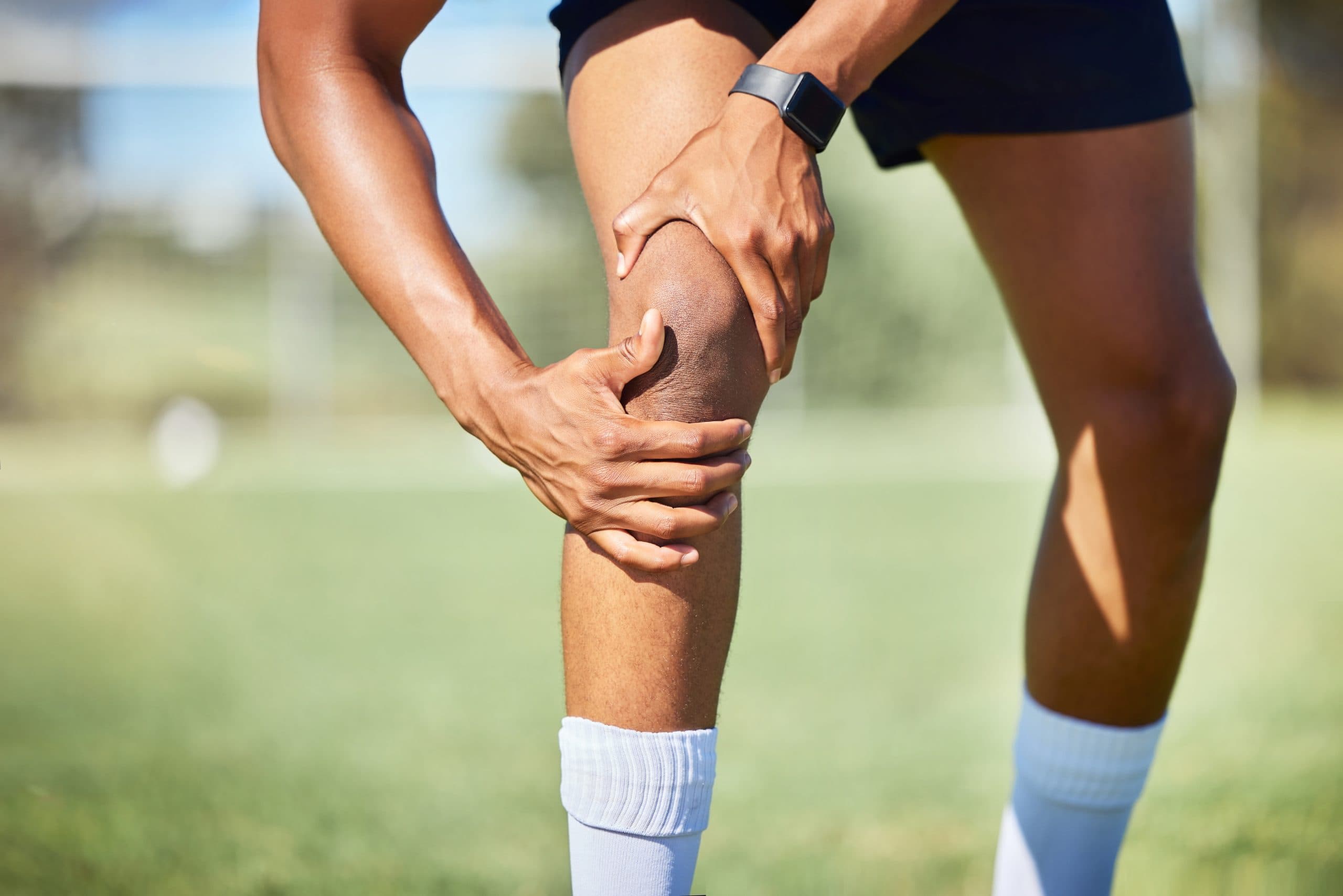
In the hardest sports injuries, the operation is rarely the difficult part. Getting the diagnosis right is.
Conventional sports surgery, performed to a high standard
The foundation of the sports practice is conventional, well-proven soft-tissue surgery: the operations that restore power, stability and function after an athletic injury. These are not experimental techniques. They are gold-standard procedures done well, in the volume and breadth that builds genuine expertise.
That breadth is what makes the harder work possible. The same mastery that delivers a clean hamstring repair or a well-judged Achilles reconstruction is what patients rely on when a complex sports injury needs a second or third opinion.
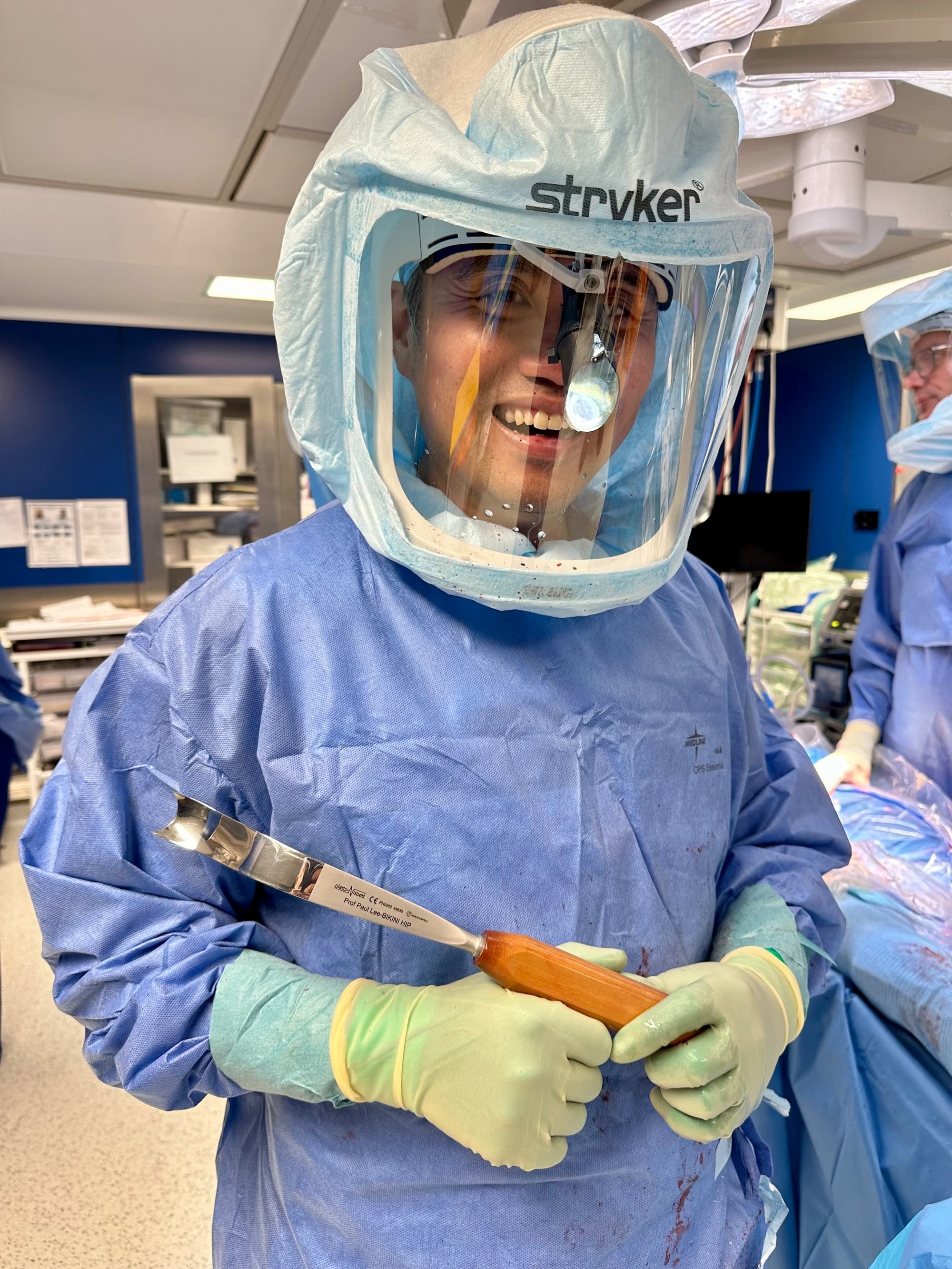
The sports and soft-tissue operations
From the pelvis to the shoulder girdle to the lower leg, the soft-tissue repertoire covers the injuries that take active people out of their sport and, done well, return them to it.
Proximal hamstring repair
Surgical repair of a proximal hamstring tendon avulsion or tear, restoring the power and function the muscle generates from the pelvis.
Proximal tibiofibular joint stabilisation
Stabilisation of the proximal tib-fib joint where instability produces lateral knee symptoms that conventional knee surgery does not address.
Patella repair
Repair of a patellar fracture or extensor-mechanism disruption, rebuilding the knee’s ability to straighten under load.
Achilles tendon repair and rupture management
Management of Achilles rupture, including percutaneous repair, and treatment of chronic Achilles tendinopathy in active patients.
Acromioclavicular (ACJ) joint reconstruction
Reconstruction of the acromioclavicular joint after disruption to restore shoulder-girdle stability, using a double-endobutton (Dog Bone) construct where indicated.
Recalcitrant tennis elbow (with ACP)
Treatment of refractory lateral epicondylitis where conservative measures have failed, including autologous conditioned plasma (ACP) where appropriate.
Chronic exertional compartment syndrome
Diagnosis and surgical fasciotomy for chronic exertional compartment syndrome in the lower limb, a frequently missed cause of exertional pain.
The groin clinic, where the diagnosis is the work
Chronic groin pain in athletes is one of the most misdiagnosed problems in sports medicine. Gilmore’s groin, osteitis pubis and adductor tendinopathy can present similarly and frequently coexist, and the wrong operation on the wrong diagnosis rarely helps.
Professor Lee works within the Gilmore groin clinic alongside Mr Simon Marsh, now part of London Cartilage Clinic. The clinic separates these conditions carefully before any decision about surgery is made.
Gilmore’s groin repair
Surgical repair of Gilmore’s groin (inguinal-related groin disruption) in athletes, the classic cause of chronic, exercise-limiting groin pain.
Osteitis pubis
Management of osteitis pubis, a chronic groin and pelvic overload condition that overlaps with, and is often confused for, true groin disruption.
Adductor tendinopathy
Treatment of adductor tendinopathy, a common cause of chronic groin pain where the diagnosis, not the operation, is the hard part.
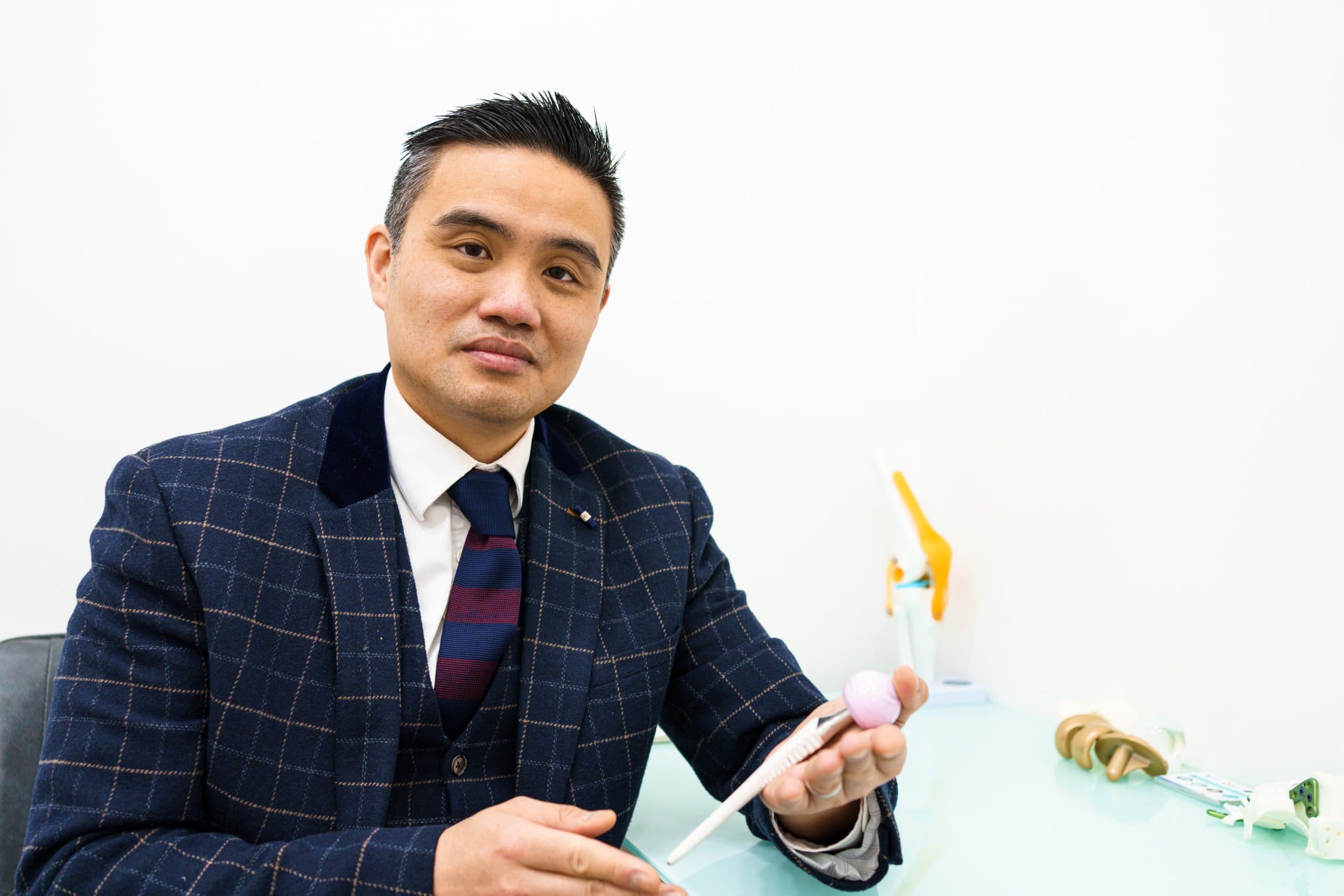
The opinion sought when the case is complex
Mastery of the conventional repertoire is exactly what makes Professor Lee a destination for the difficult cases. Patients are referred, and refer themselves, for a second or third opinion on complex sports injuries that have not settled, or where a proposed operation does not match the symptoms.
The value in these cases sits in the diagnosis and the decision as much as in the surgery. Knowing when not to operate is part of the same expertise as operating well.
- Many athletic groin and soft-tissue injuries are misdiagnosed before they reach a specialist sports surgeon.
- The harder the case, the more the value sits in the diagnosis and the decision, not only the operation.
- Patients are referred, and refer themselves, for a second or third opinion on complex sports injuries that have not settled.
- Knowing when not to operate is part of the same expertise as knowing how to operate well.
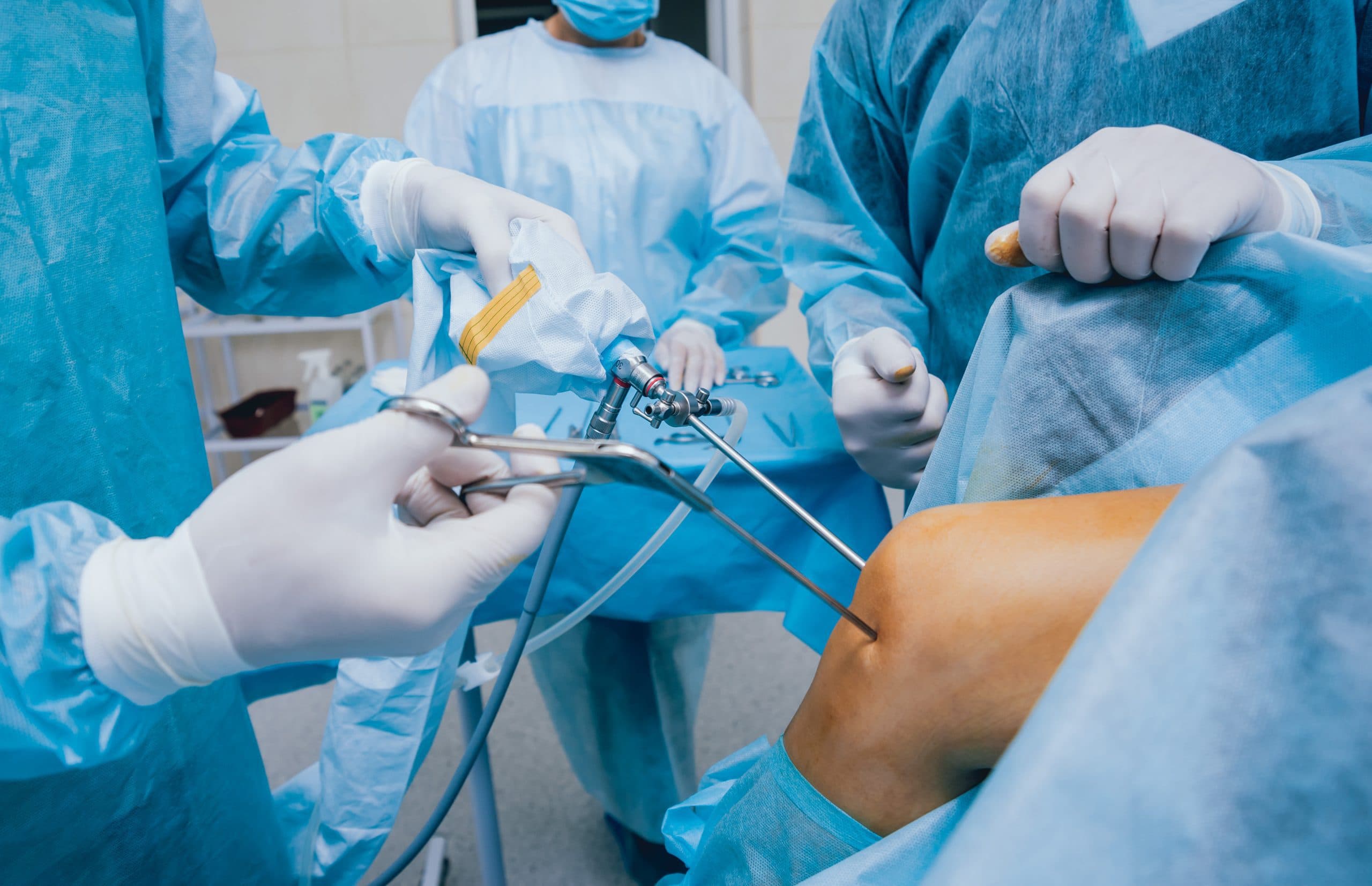
The operation is the start, not the finish
Soft-tissue surgery succeeds or fails in the months that follow it. Tendon and muscle biology, criteria-based progression, and an honest sense of where a patient is against where they want to be all decide the real outcome.
Recovery is planned as part of the operation, not as something that happens afterwards. Read about recovery and rehabilitation optimisation in detail.
Common questions
The sports and soft-tissue repertoire spans proximal hamstring repair, patella repair, proximal tibiofibular joint stabilisation, Achilles tendon repair and rupture management, acromioclavicular (ACJ) joint reconstruction, recalcitrant tennis elbow, chronic exertional compartment syndrome, and the full range of athletic groin pain.
These are conventional, well-proven sports operations performed to a high standard. The knee-specific ligament work, ACL reconstruction and STARR augmented repair, sits on the ACL and sports knee injuries page.
Gilmore’s groin is an inguinal-related groin disruption that causes chronic, exercise-limiting groin pain in athletes. Professor Lee works within the Gilmore groin clinic alongside Mr Simon Marsh, now part of London Cartilage Clinic. The clinic separates Gilmore’s groin from the conditions it is most often confused for, osteitis pubis and adductor tendinopathy, before any decision about surgery is made.
In suitable cases, an Achilles rupture can be repaired percutaneously rather than through a large open incision. Whether percutaneous repair, open repair or non-operative management is right depends on the rupture pattern, the timing, and the patient’s activity goals. The decision is made for the individual, not by default.
Complex sports injuries, and athletic groin pain in particular, are frequently misdiagnosed before they reach a specialist sports surgeon. Where an injury has not settled, or where the proposed operation does not match the symptoms, a second or third opinion can change the diagnosis and the plan. Professor Lee is sought specifically for these cases.
Where the sports practice connects
The knee ligament work, the orthobiologic tools and the recovery layer all sit alongside the soft-tissue repertoire.
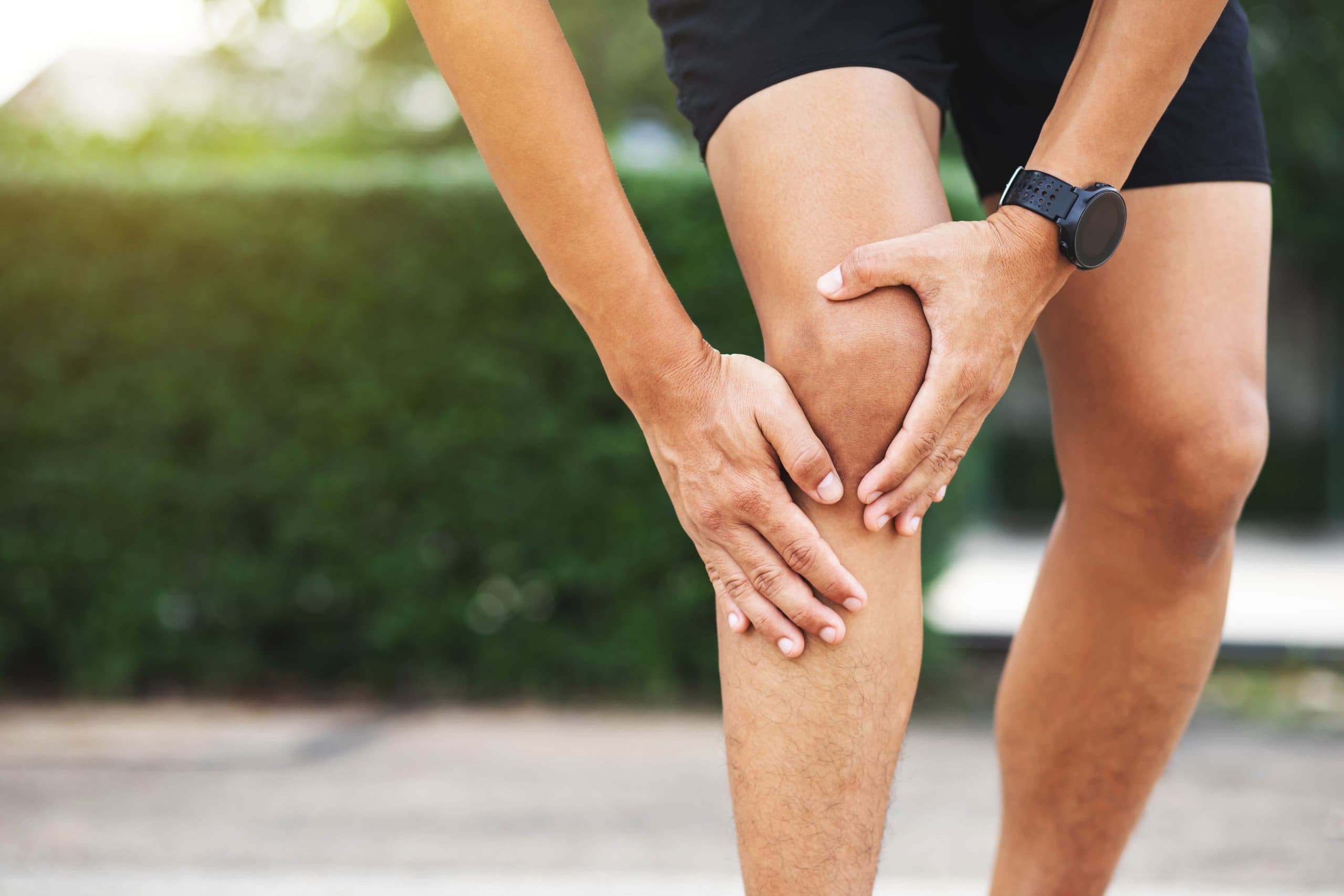
ACL and sports knee injuries
The knee side of the sports practice: ACL reconstruction with named grafts and STARR augmented ACL repair, with combined-injury planning.
Read more
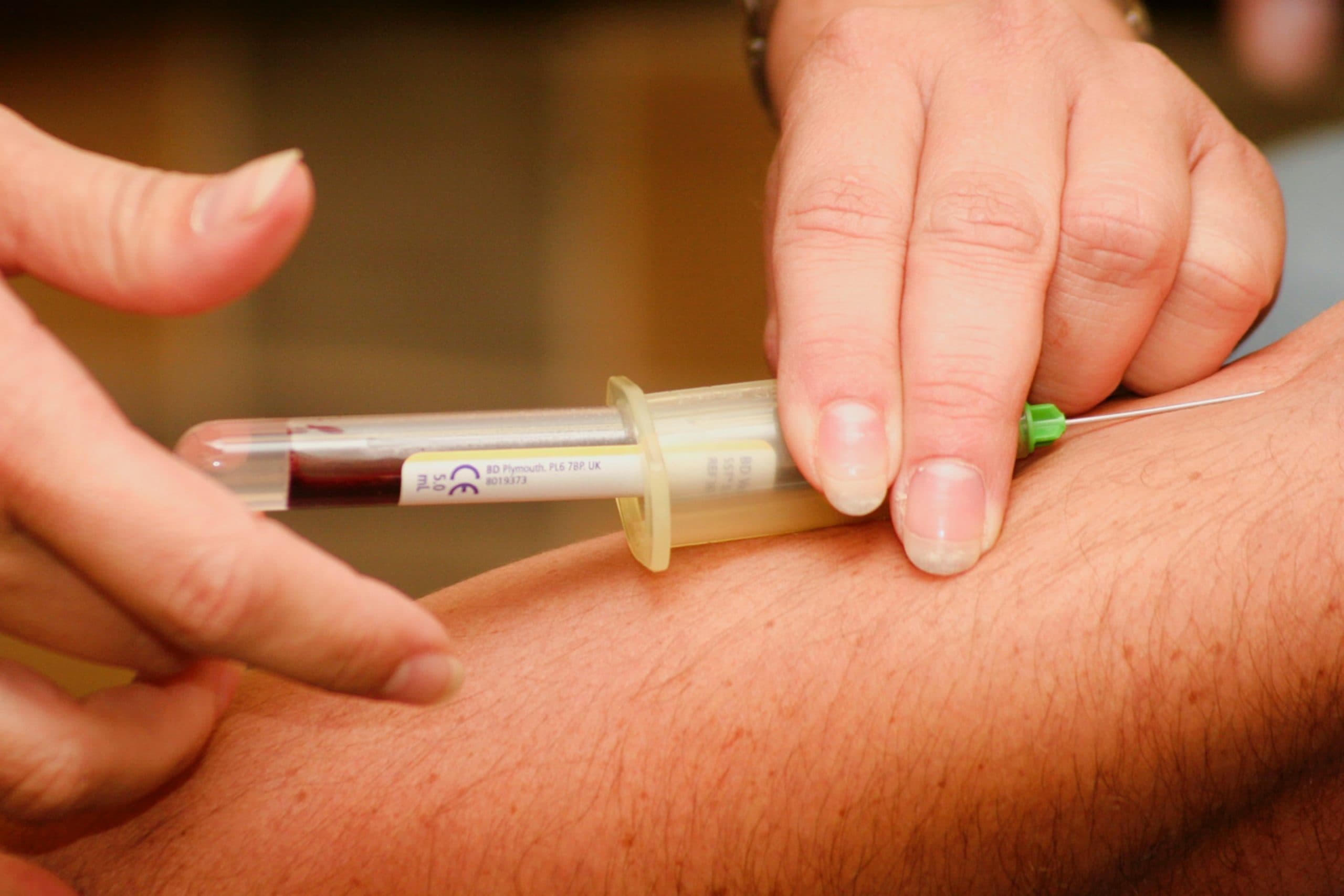
Joint injections and orthobiologics
Image-guided injection, PRP, BMAC and ACP, the orthobiologic tools used in recalcitrant tendinopathy and athletic soft-tissue injury.
Read more
Recovery and rehabilitation optimisation
Return to sport is built, not promised. Criteria-based progression, prehabilitation and structured milestones after soft-tissue surgery.
Read more
A clear answer for a complex sports injury
Specialist opinion, accurate diagnosis, the right operation or none
Whether the injury is straightforward or has defeated previous opinions, the route is the same: imaging review, an honest diagnosis, and the operation that is right for this athlete, or the considered case for not operating at all.