The fundamentals behindthe innovation
Professor Lee is, first, a trauma and orthopaedic surgeon. Hip fracture surgery, general orthopaedic trauma and foot and ankle work are conventional, well-proven operations he performs to the standard his examinations certify. This is the foundation the arthroplasty, sports and preservation work is built on, not a memory from training.
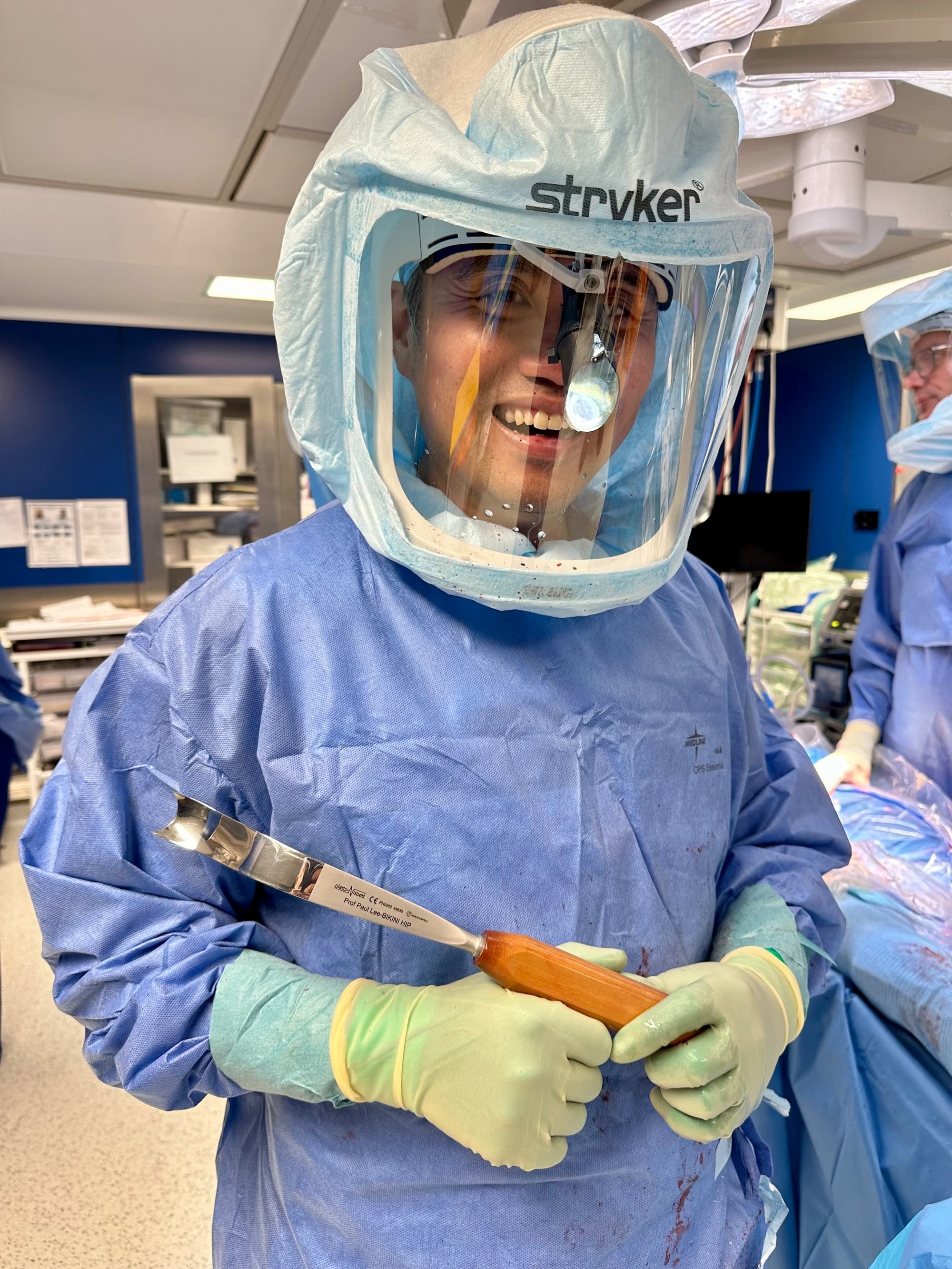
The pioneering work exists because the fundamentals are mastered, as proof of them, not instead of them.
A surgeon who can rebuild a shattered hip understands exactly what is being protected when a joint is preserved instead.
A trauma and orthopaedic surgeon, examined and certified
The breadth that defines the practice rests on a trauma foundation that has been examined twice over and is exercised in substantive NHS practice. The credentials below are not decoration; they are why the conventional repertoire is deep enough to make the frontier work safe.
FRCS (Tr & Orth)
Fellowship of the Royal College of Surgeons of Edinburgh in Trauma and Orthopaedic Surgery. The exit qualification that certifies full breadth across both trauma and elective orthopaedics.
FEBOT
Fellow of the European Board of Orthopaedic Trauma. A second, trauma-specific examination that confirms the fundamentals are deep, not assumed.
Consultant Arthroplasty and Sports Surgeon
The substantive NHS post title held since 2017. Arthroplasty and sports surgery rest on a trauma foundation, and that foundation is part of the daily job, not a memory from training.
Teaching the fundamentals
Teaches fracture management as a structured discipline ("Fractures: what, why, when and how?"), which means the principles are explicit and examined, not improvised at the bedside.
The broken hip, repaired or replaced
A fractured hip is one of the highest-stakes operations in orthopaedics: the decision is urgent, the patient is often frail, and the recovery determines whether independence is regained. The two principal operations are well-proven and chosen for the fracture pattern.
The soft-tissue discipline here is the same one that defines the elective hip replacement work: preserve the envelope around the joint, replace or fix with precision, and engineer the operation for the recovery to come.
Displaced intracapsular fracture
A tendon-sparing posterior-approach hemiarthroplasty replaces the femoral head while preserving the soft-tissue envelope, the same soft-tissue discipline that defines the elective arthroplasty work.
Unstable intertrochanteric fracture
Intramedullary nailing stabilises the extracapsular fracture and allows early weight-bearing, the gold-standard fixation for an unstable pattern.
Right operation for this fracture
Fix or replace, nail or screw, the choice is matched to the fracture pattern, the bone quality and the patient, not to a default.
Recovery from day zero
Early mobilisation and a structured return to function are planned into the operation, because a fixed fracture only counts once the patient is walking again.
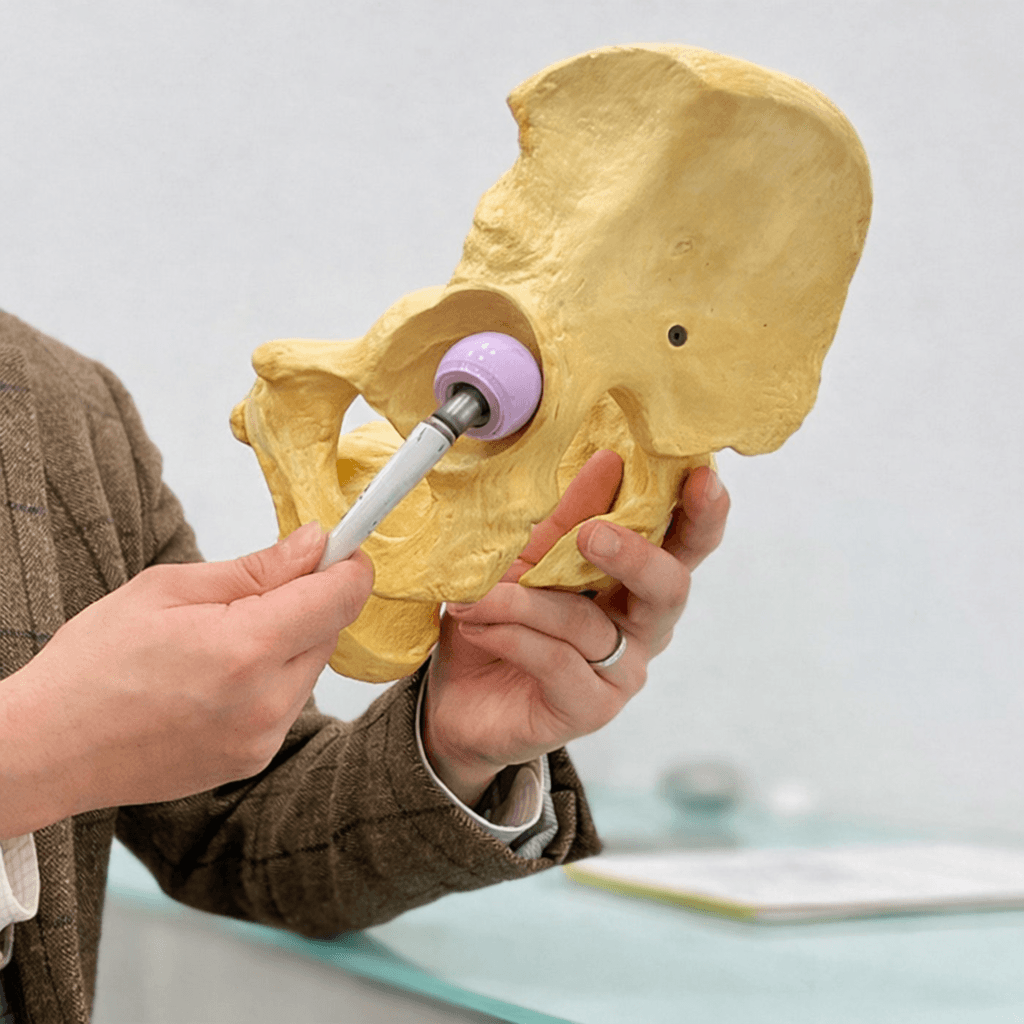
General orthopaedic trauma and foot and ankle surgery
General orthopaedic trauma and fracture care across the upper and lower limb: the "what, why, when and how" of fixation, decided on the injury in front of him rather than the average case.
Foot and ankle surgery, including correction of hallux valgus (bunion), as part of the general orthopaedic repertoire.
The same evidence-led decision-making that runs through the arthroplasty and sports work: imaging review, a clear indication, the right operation, and a recovery plan built into the same decision.
Conventional mastery and the frontier, together
The trauma practice is not the part of the work that came before the interesting part. It is co-equal with the preservation and regenerative techniques, and it is what makes them credible.
Conventional, gold standard
Hip fracture surgery, fracture fixation and foot and ankle correction are well-proven, mainstream trauma operations with a mature evidence base. They are performed to the standard the examinations certify.
Why it matters for the innovation
The pioneering preservation and regenerative techniques exist because of this trauma mastery, as proof of it. A surgeon who can rebuild a shattered hip understands exactly what is being protected when a joint is preserved instead.
Where the trauma foundation leads
The same fundamentals run through the elective arthroplasty, the sports and soft-tissue work and the complex second-opinion practice.
Hip and knee replacement
The elective arthroplasty work that the trauma foundation supports. SPAIRE on the hip side, TWIS-TKR and kinematic alignment on the knee side.
Read more
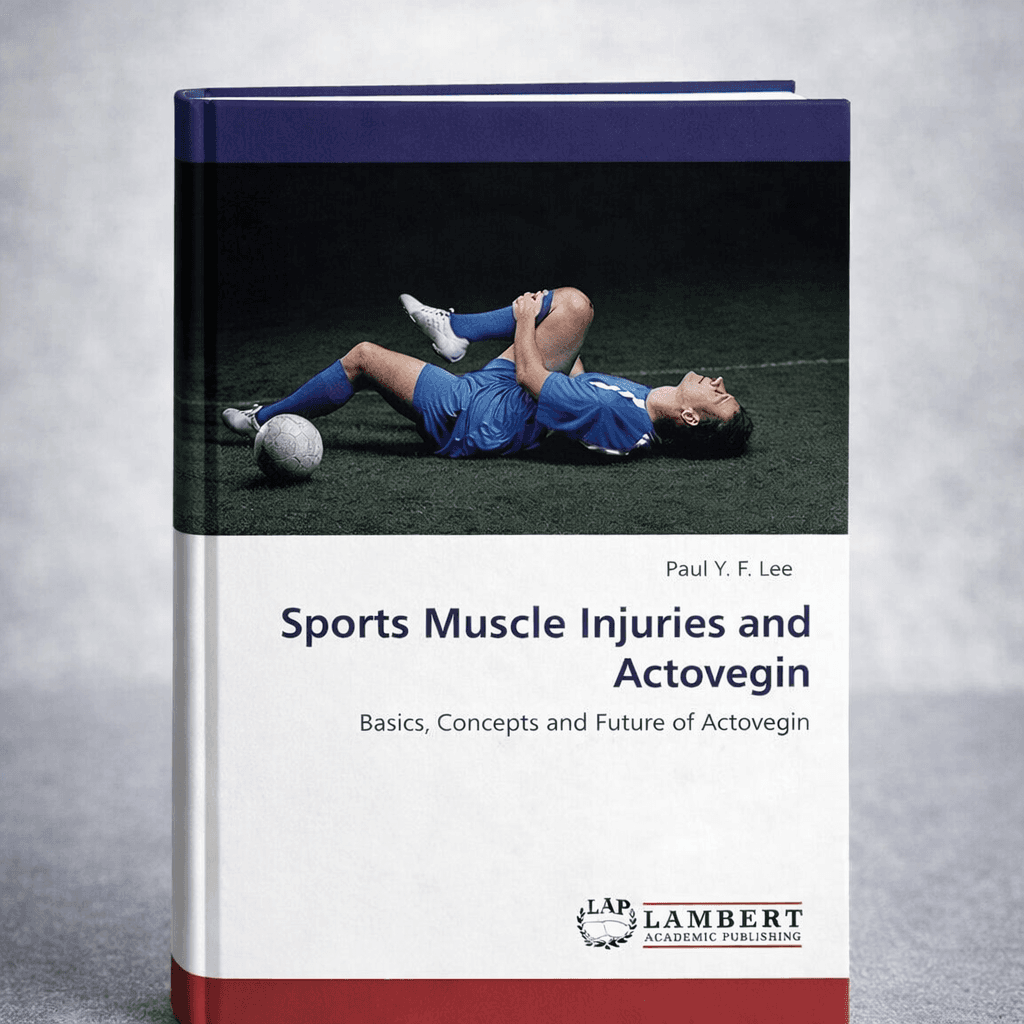
Sports and soft-tissue surgery
The other half of the substantive NHS post: tendon, ligament and soft-tissue repair across the limb, again resting on the same trauma fundamentals.
Read more
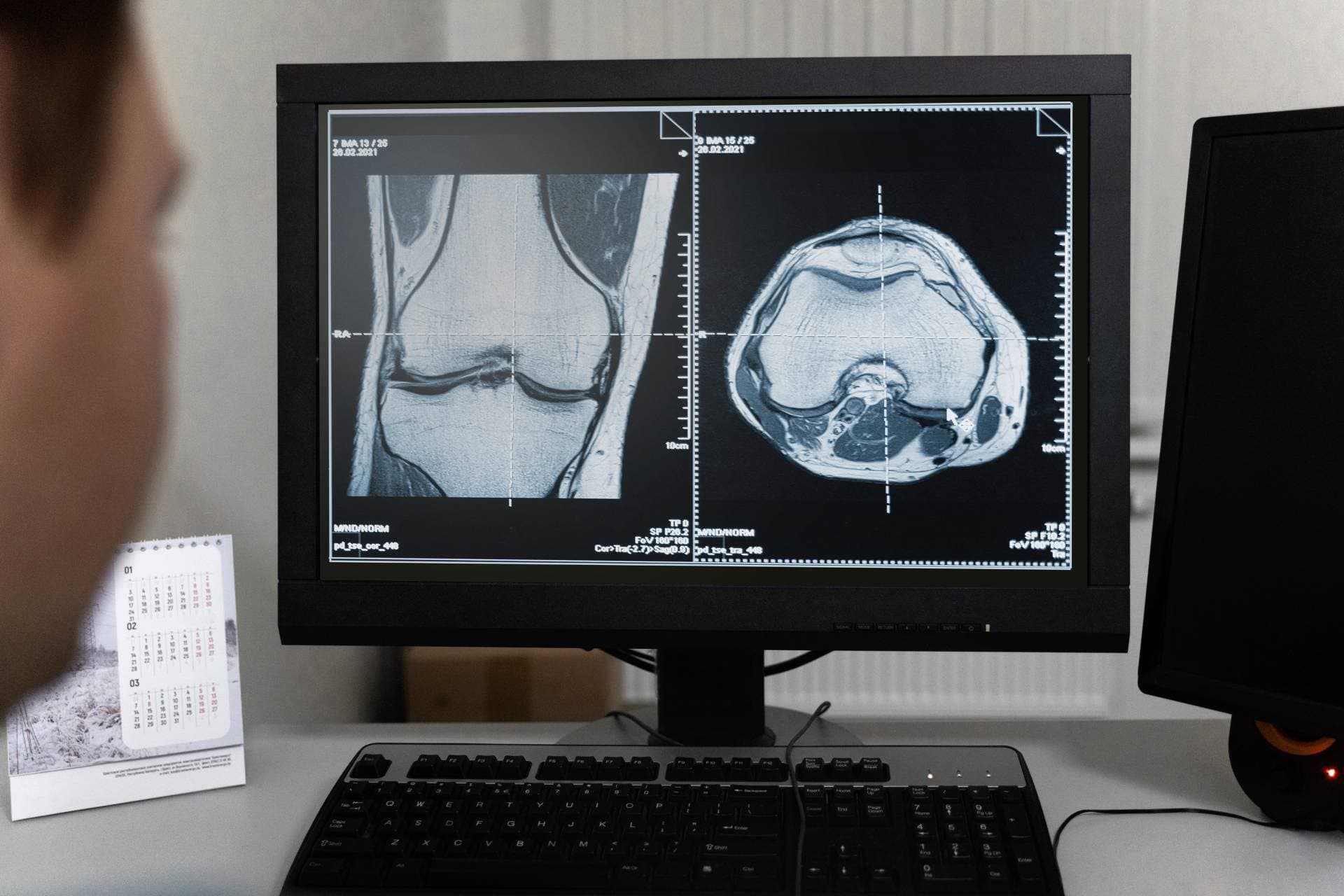
Complex second opinions
Where a fracture has been treated already and the question is what to do next, a written specialist opinion grounded in the full trauma and arthroplasty repertoire.
Read more
Common questions
Yes. Trauma and fracture surgery is a substantive part of the practice, not a sideline. Professor Lee holds FRCS (Tr & Orth) and FEBOT, the Fellowship of the European Board of Orthopaedic Trauma, and his NHS post is held as a Consultant Arthroplasty and Sports Surgeon. Hip fracture surgery, general orthopaedic trauma and foot and ankle work sit alongside the preservation and regenerative techniques the site is best known for.
For a displaced intracapsular neck-of-femur fracture, a tendon-sparing posterior-approach hemiarthroplasty replaces the femoral head while preserving the soft-tissue envelope. For an unstable intertrochanteric (extracapsular) fracture, intramedullary nailing stabilises the fracture and allows early weight-bearing. The operation is chosen for the fracture pattern, the bone quality and the patient.
They are two sides of the same mastery. The pioneering preservation and regenerative techniques exist because the conventional fundamentals are deep, not instead of them. A surgeon who can rebuild a shattered hip understands exactly what is at stake when a joint is preserved rather than replaced, and that fluency in the gold standard is what makes the frontier work safe.
Foot and ankle surgery, including correction of hallux valgus (bunion), is part of the general orthopaedic and trauma repertoire. As with every decision in the practice, surgery follows a clear indication, the right operation for the foot in question, and a recovery plan built into the same conversation.
A surgeon at home with the broken hip and the preserved one
Conventional trauma mastery, frontier preservation, one practice
A written specialist opinion grounded in the full repertoire: hip fracture surgery, general orthopaedic trauma and foot and ankle work, alongside the preservation and regenerative techniques the practice is known for.