
RCSEd
Regional Surgical Advisor

Professor Paul Lee offers specialist perspective on cartilage, joint preservation, and more individual decisions before replacement becomes the default.
Consultant Orthopaedic Surgeon. Knee, hip and sports surgery, Harley Street, London.
For patients who have been told replacement may be the next step, and want to understand if anything else may still be possible.
For UK and international patients, professionals, and decision-makers seeking clarity when the standard pathway may not always be the whole answer.


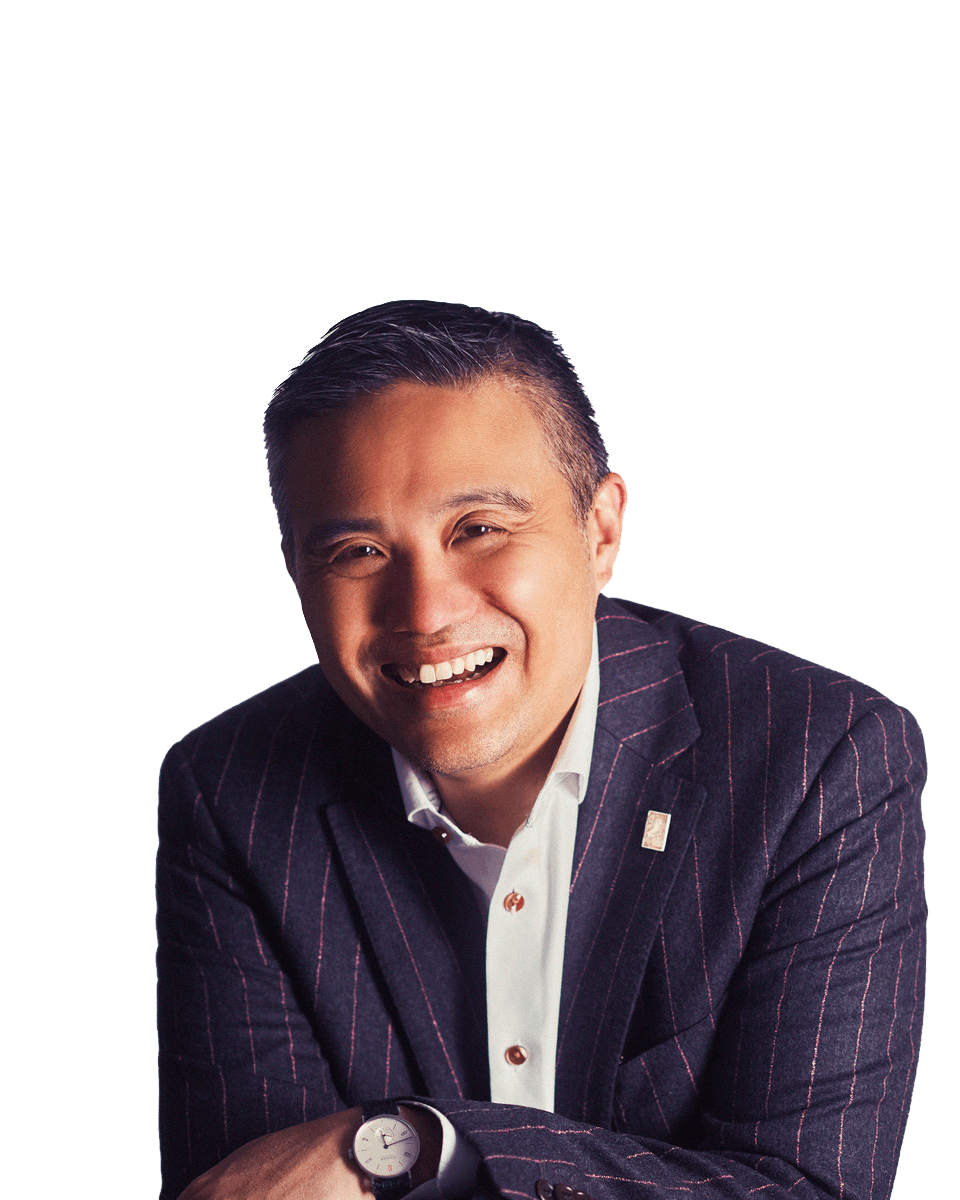
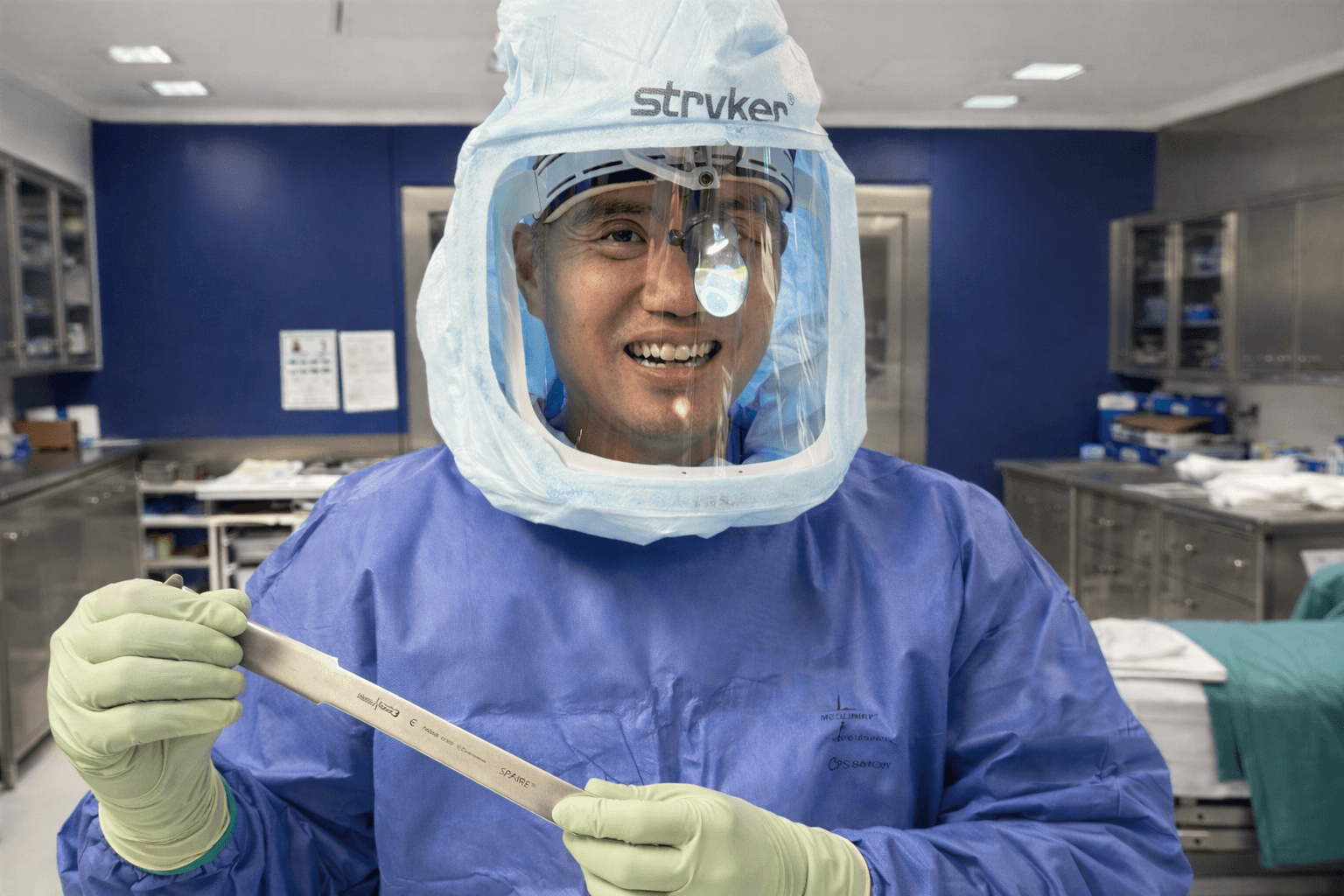
Two decades of frontline NHS service, and a gold medal from the British Orthopaedic Association for his work on Recovery.
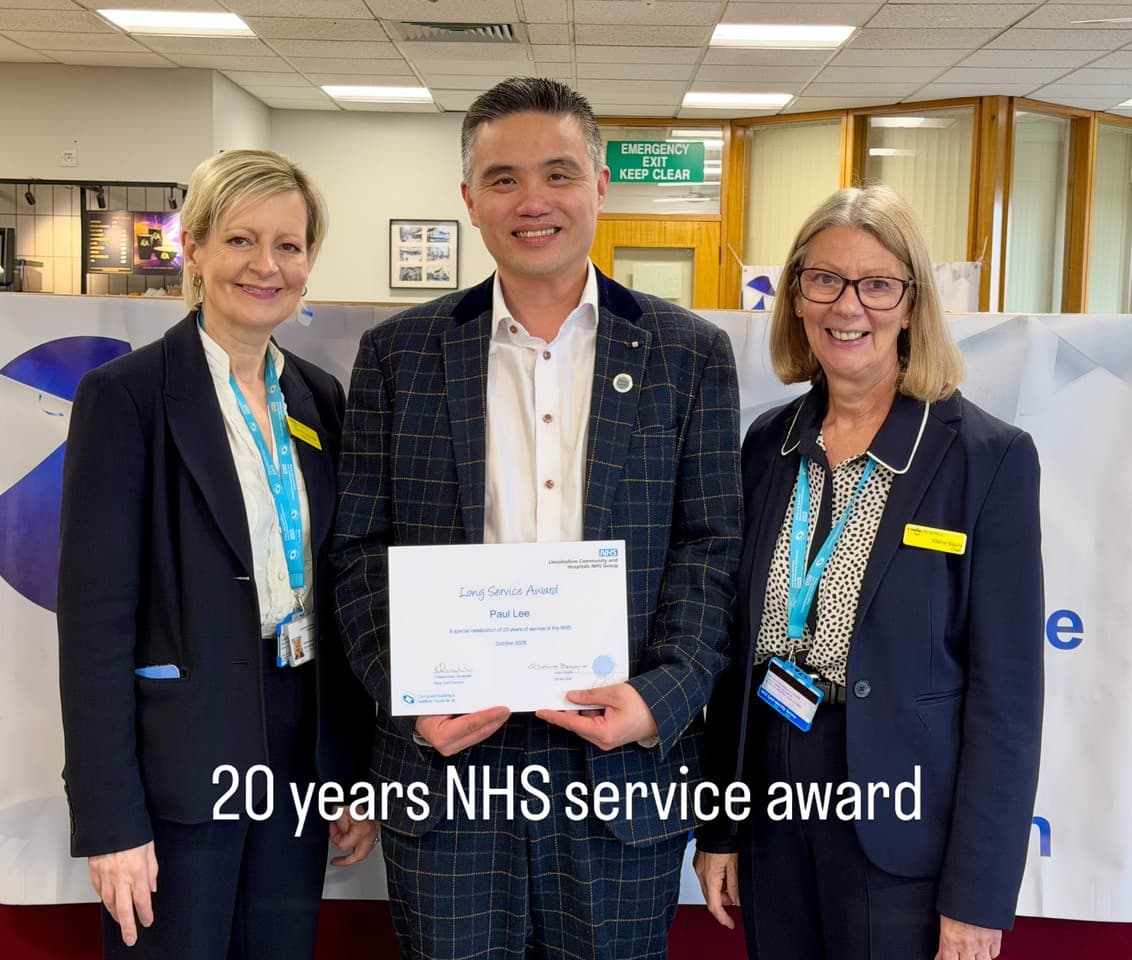
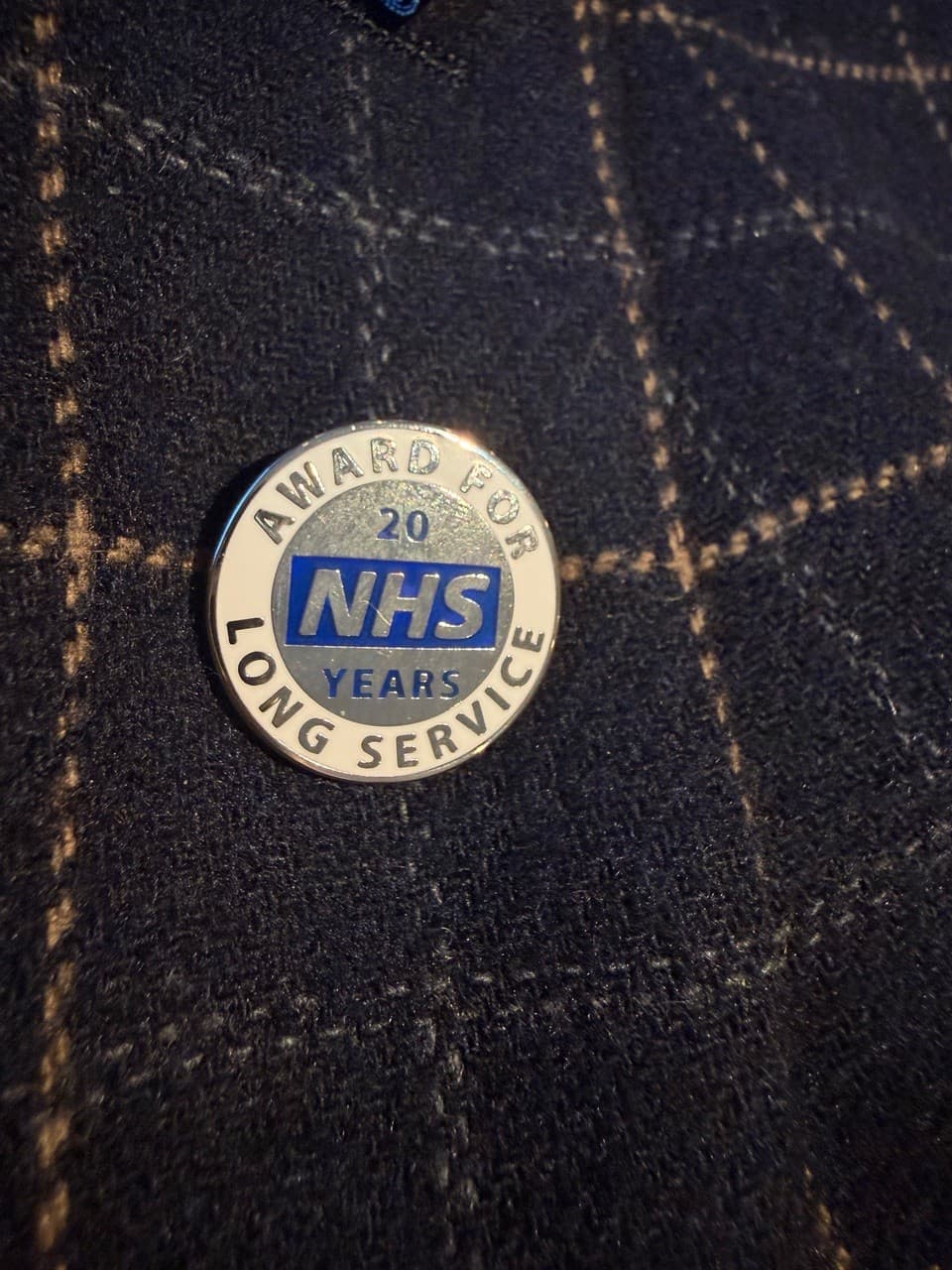
Recognised in 2026 by Lincolnshire Community and Hospitals NHS Group Trust for two decades of frontline practice, surgical leadership, and translational research across musculoskeletal and regenerative care.
“Great care is never delivered by individuals working in isolation.”Read the news coverage

A British Orthopaedic Association gold medal, awarded in 2026 for his work on Recovery and for the case that humility is the surgeon's most powerful tool.
“Humility keeps patients safe. Humility keeps our profession human. Humility turns intelligence into wisdom.”
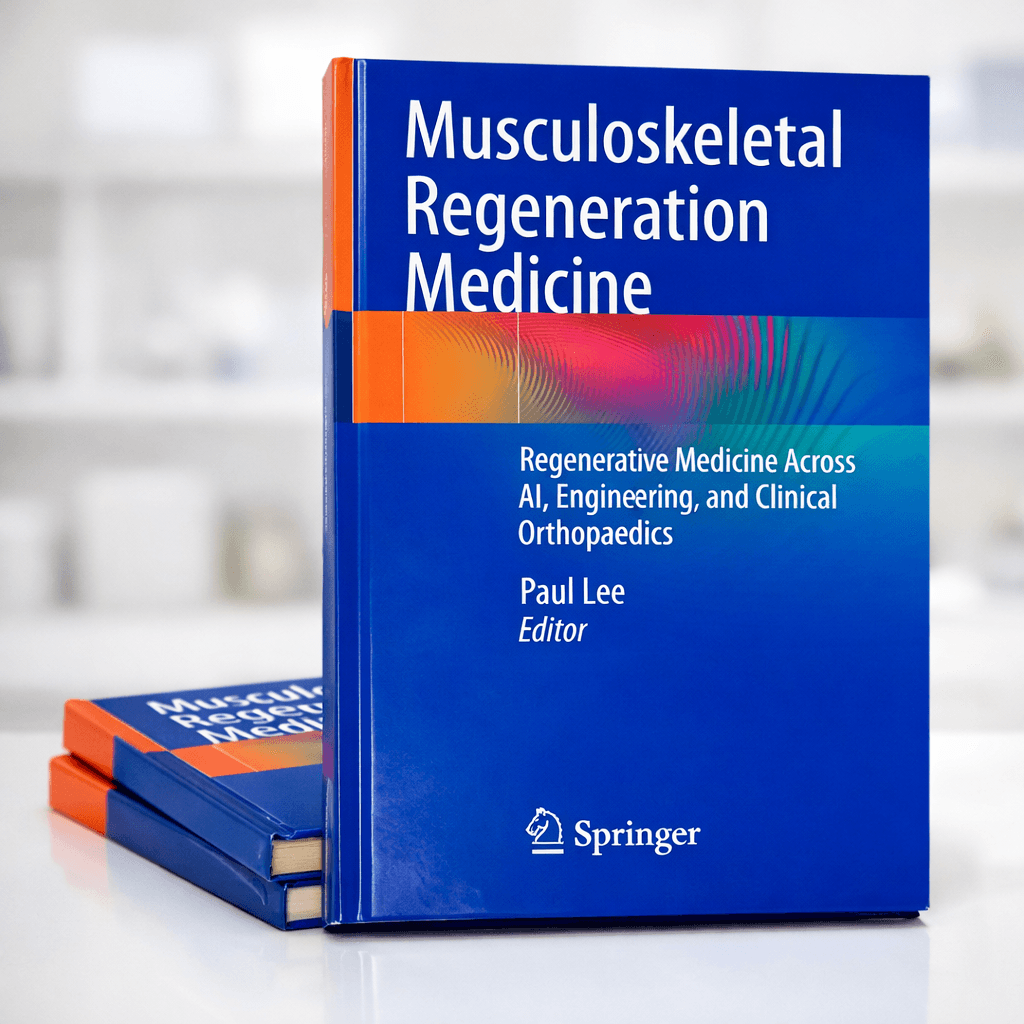
Springer Nature · Academic Textbook
Editor-in-Chief: Professor Paul Lee
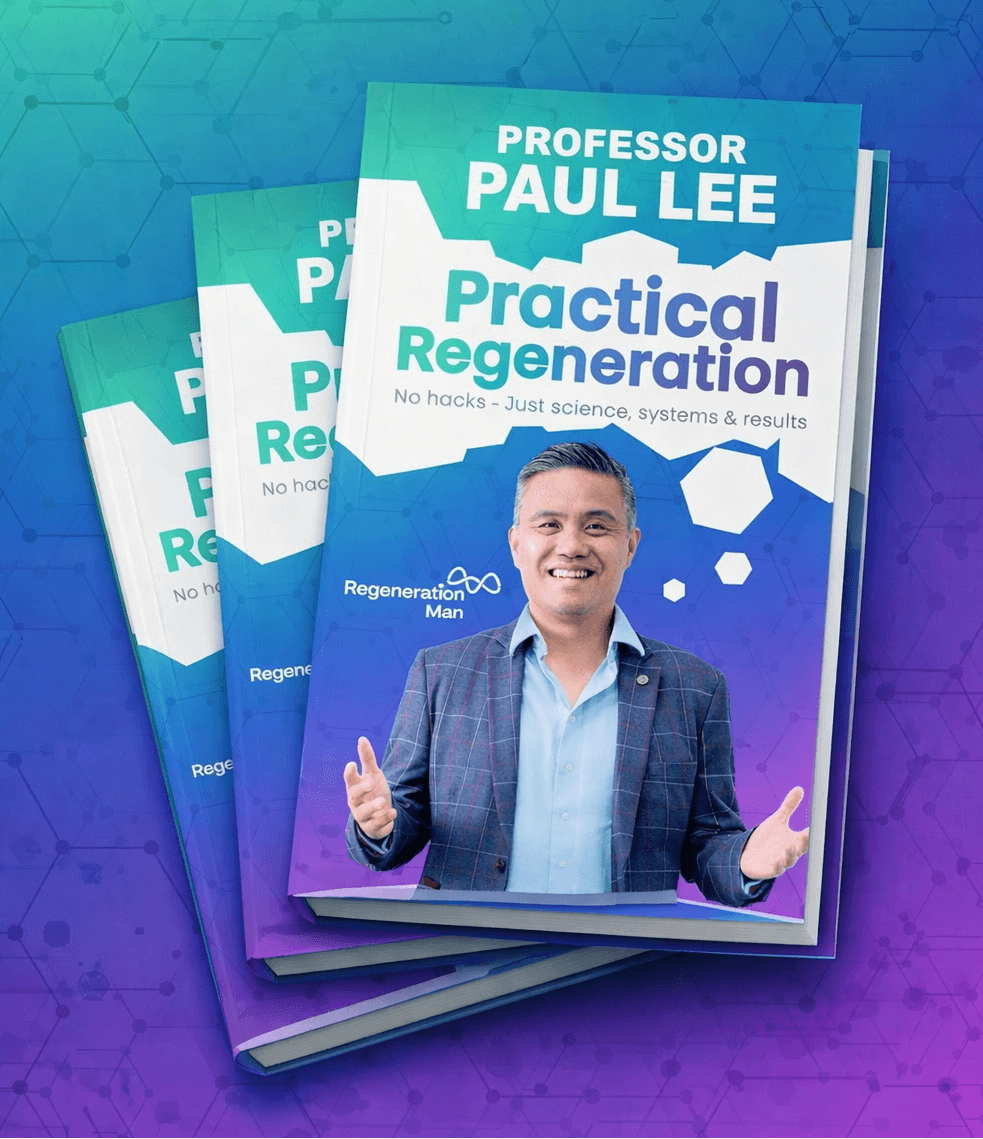
The international Springer Nature reference textbook, with Professor Lee as Editor-in-Chief: regenerative orthopaedic surgery bridged with AI-driven diagnostics, next-generation orthobiologics, and engineering-led clinical thinking.









Cartilage & Joint Preservation Specialist
ProfessorSurgeonAuthor
Trusted by UK and international patients seeking specialist perspective.
NANO ACi, Mytocel MSK and ChondroFiller are related, but they are not interchangeable. Each has a defined role within Professor Lee’s cartilage and joint-preservation work.
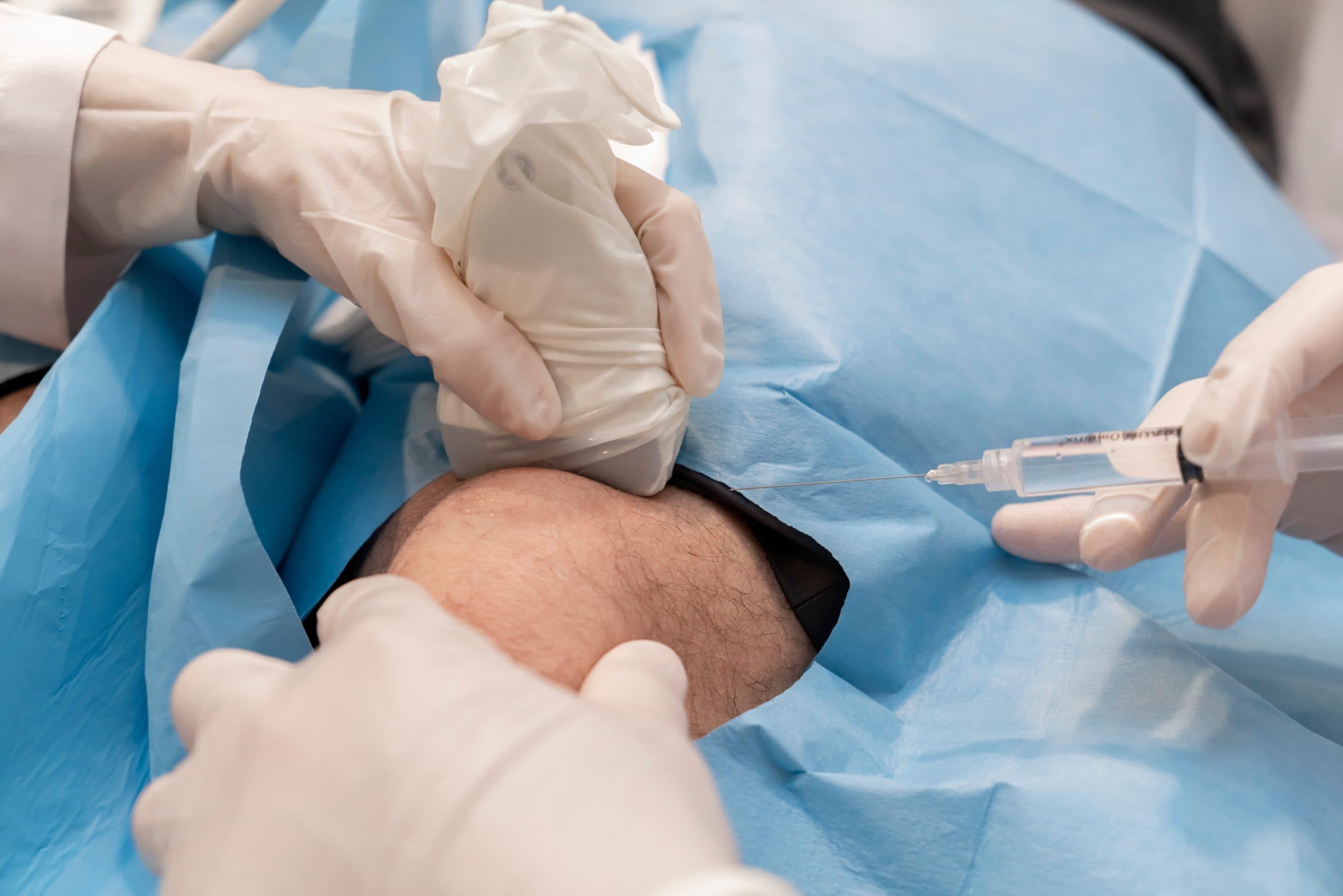
Professor Lee technique
A single-session cartilage technique developed by Professor Lee. It combines Mytocel MSK autologous cartilage micrografts as the seed, ChondroFiller collagen as the soil and platelet-rich plasma as the signal through one precise protocol.
Read the clinical explanation
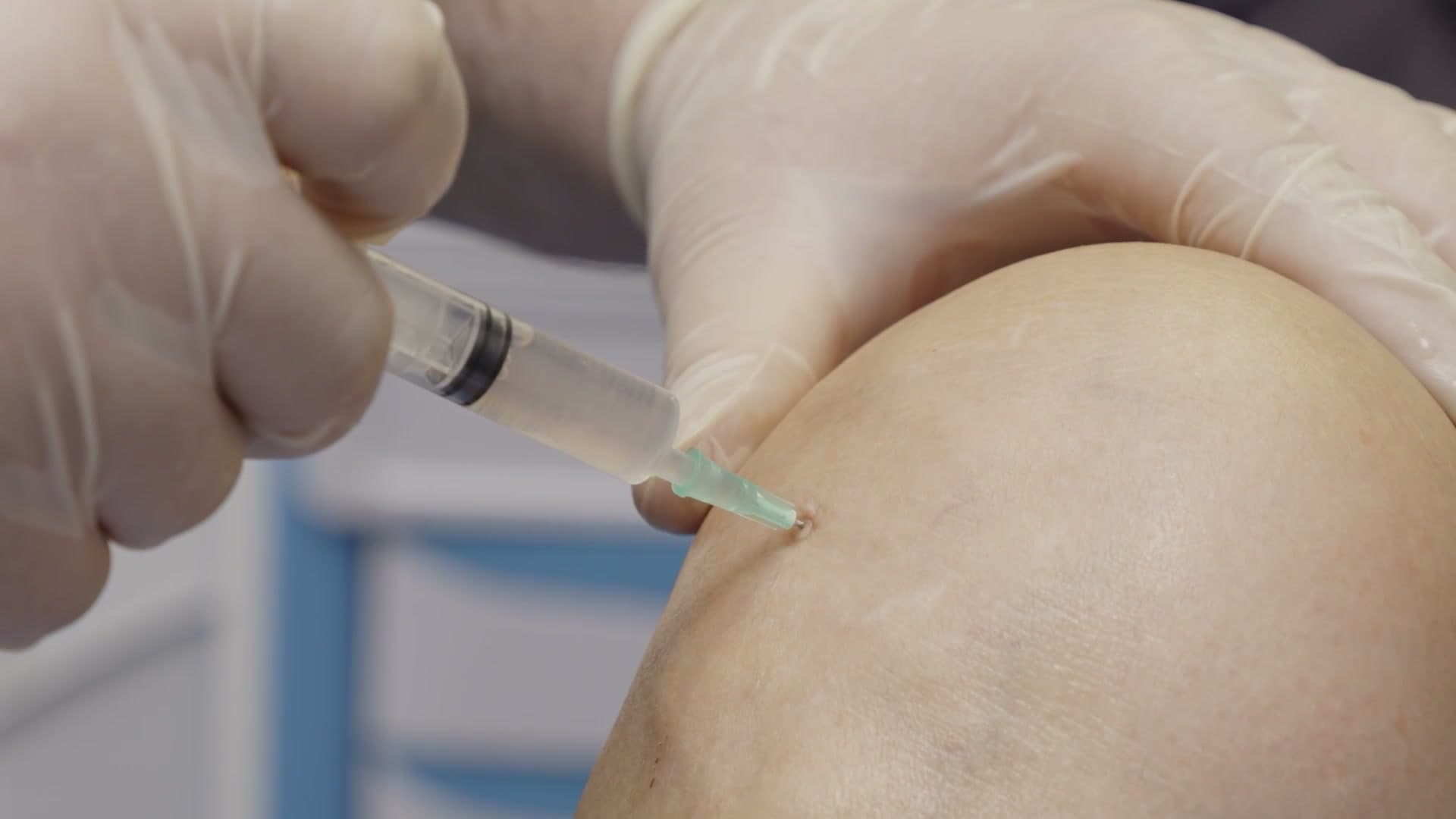
Autologous micrograft treatment
A standalone, same-session treatment in which tiny samples of the patient’s auricular cartilage are mechanically prepared through AMT into autologous micrografts and delivered to the affected joint.
Read the clinical explanation
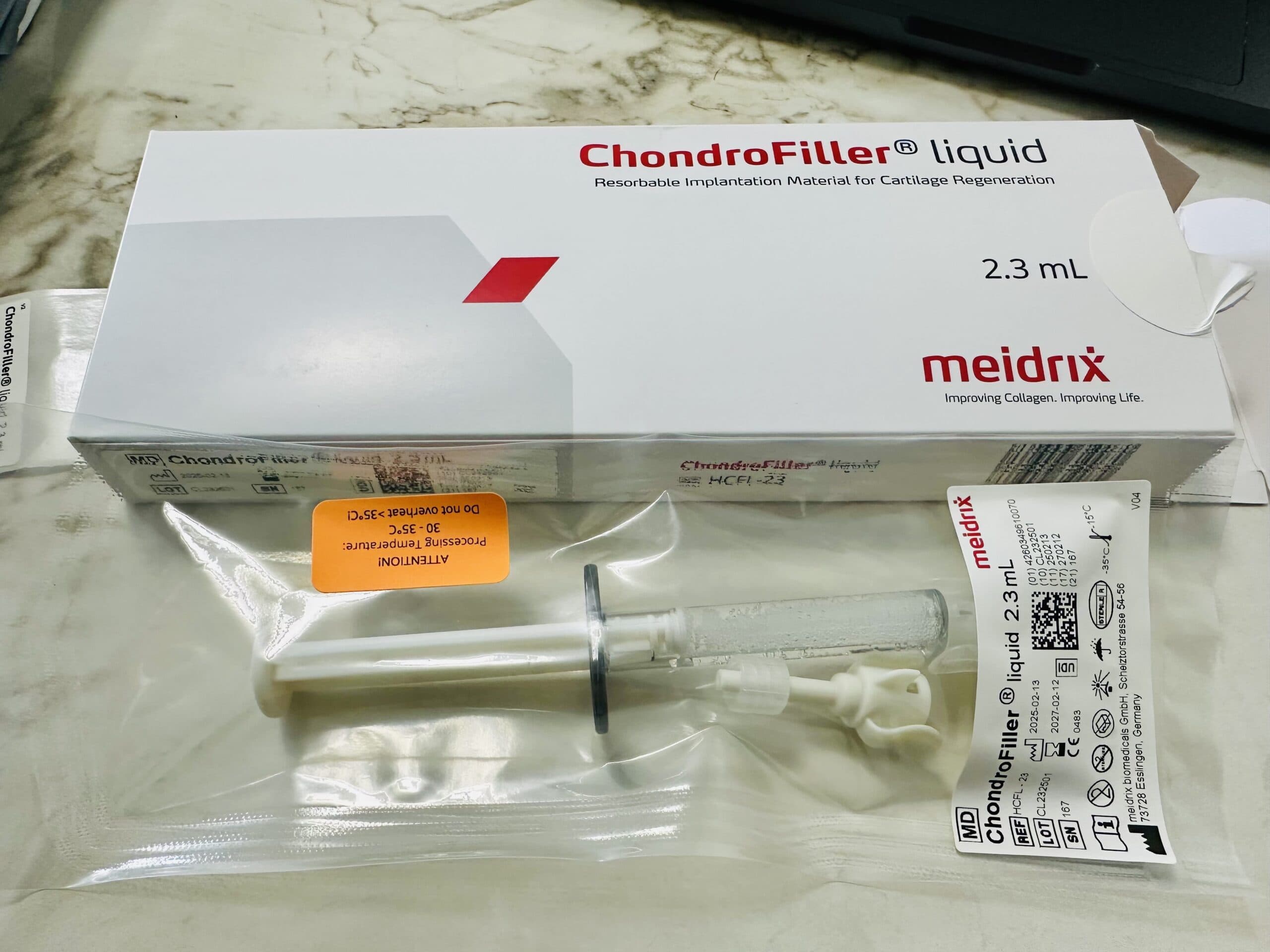
Acellular collagen scaffold
A cell-free Type I collagen hydrogel scaffold manufactured by Meidrix Biomedicals GmbH. It can be delivered as an ultrasound-guided injection or placed surgically within a cartilage-repair pathway.
Read the clinical explanation
Professor Paul Lee is a consultant orthopaedic surgeon performing the full range of well-proven knee, hip and sports surgery, from ACL reconstruction to total joint replacement.
That mastery of the gold standard is what lets him ask the next question. What alternatives may still be possible before replacement becomes the default, and what can still be preserved, repaired, or regenerated.
His work is centred around helping patients and professionals think more clearly about that decision, including specialist second opinions when the pathway is not entirely clear, and knowing when replacement is genuinely the right answer.
Because for many patients the question is not just about pain, but about preserving function, identity, and quality of life.
Professor Lee performs the conventional, well-proven orthopaedic surgery patients expect of a leading knee, hip and sports surgeon. His pioneering techniques exist because of that mastery, as proof of it, not instead of it.
Gold standard
Total and partial knee replacement
Gold-standard knee arthroplasty with kinematic alignment and careful soft-tissue balancing, partial replacement where disease is confined to one compartment.
Pioneering advance
TWIS-TKR
A motion-capture and AI-informed knee replacement that builds on that arthroplasty mastery to refine alignment for the individual joint.
Explore this area
Gold standard
Total hip replacement and resurfacing
Total hip arthroplasty, cemented, cementless and short-stem options and Birmingham Hip Resurfacing, trained through the Exeter Hip Reconstruction Fellowship.
Pioneering advance
SPAIRE and Bikini-incision approaches
Soft-tissue-sparing surgical approaches he practises to protect function and speed recovery once replacement is the right answer.
Explore this area
Gold standard
ACI, MACI, osteochondral grafting and microfracture
The established, gold-standard cartilage repair repertoire, delivered through the ICRS Accredited Teaching Centre of Excellence pathway.
Pioneering advance
STACi, NANO ACi and ChondroFiller pathways
Surgical and injection pathways including STACi, the NANO ACi technique, Mytocel MSK autologous micrografts and ChondroFiller, built on that cartilage-repair foundation.
Explore this area
Gold standard
ACL reconstruction with named grafts
Gold-standard ligament reconstruction with hamstring, patellar tendon or quadriceps graft, plus MPFL reconstruction and patellofemoral stabilisation.
Pioneering advance
STARR augmented ACL repair
A graft-sparing repair, in suitable cases, developed from a deep grounding in reconstruction and the wider augmented-repair evidence.
Explore this area
Gold standard
Meniscus repair and root repair
Preservation-first meniscus surgery, repairing in preference to removal wherever the tear pattern allows, to protect the long-term joint.
Pioneering advance
Augmented meniscus repair
Cell and platelet-rich fibrin augmentation that extends repair to tears at the limit of standard technique.
Explore this area
Gold standard
Image-guided injection and orthobiologics
Precise diagnostic and therapeutic image-guided injection, and the full range of orthobiologics: PRP, PRF, BMAC, microfragmented adipose tissue, hyaluronic acid and ACP.
Pioneering advance
Arthrosamid protocol
One of the first and most extensive Arthrosamid practices in the UK, built on years of image-guided injection expertise.
Explore this area
Not every patient fits a standard pathway. The goal is not simply to do more — but to understand what is most appropriate, at the right time, for the right joint.
This framework is not about doing more — it is about making the right decision first.
Protect what is still working. Slowing wear, calming inflammation, and giving the joint the chance to keep functioning before deeper intervention is considered.
Fix what has specifically broken — a torn meniscus, a damaged ligament, a kneecap off its track. Restoring structure while timing is still on the patient’s side.
Rebuild biology where possible. Working with tissue, timing, and the body’s environment — supporting healing rather than overriding it.
When replacement is genuinely the right step — not simply the first default. A decision earned through everything that came before.
From a first specialist opinion on knee, hip or sports joint pain through to the cases where the standard pathway is not the whole answer.
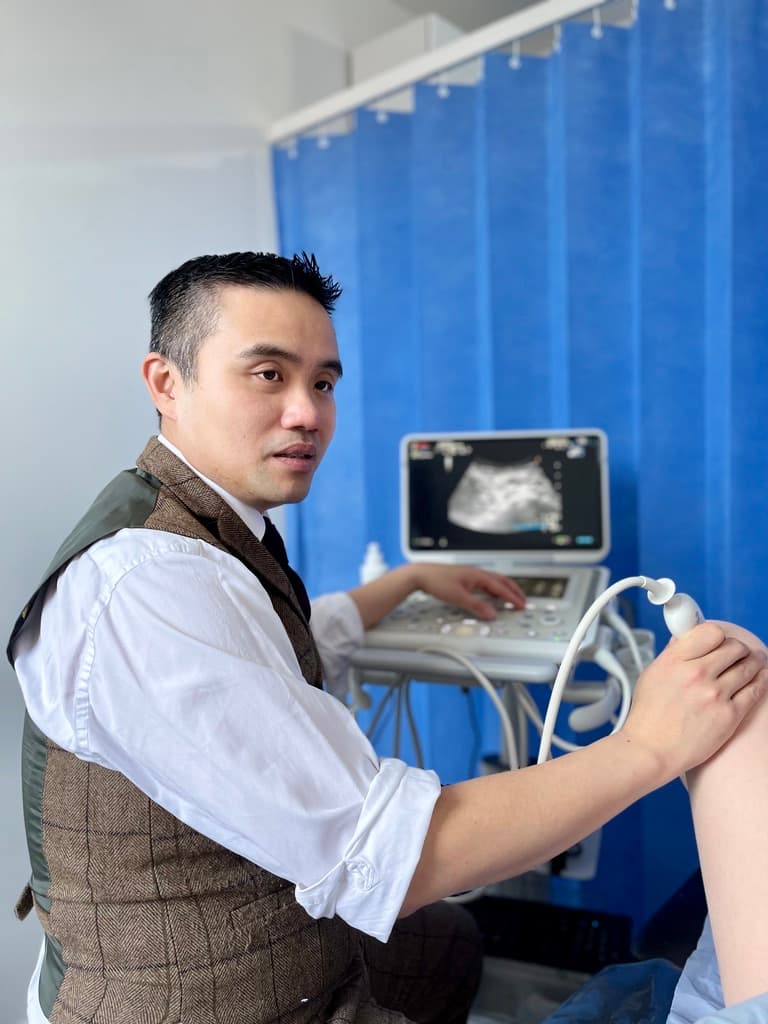
Professor Lee's work sits at the intersection of clinical practice, regenerative thinking, surgical judgement, and engineering-led systems — bringing a more thoughtful approach to decisions that are often treated too routinely.
He is increasingly sought by patients, professionals, and collaborators in the UK and internationally for specialist perspective on cartilage, joint preservation, and more individual decisions before replacement.
Focused on cartilage, joint preservation, and decisions before replacement.
Not every patient, joint, or pathway should be approached in the same way.
Combining surgery, science, engineering, and regenerative frameworks to think more clearly about what may still be possible.
When clarity, judgement, and timing matter more than simply moving to the next default step.


Focused on cartilage, joint preservation, and decisions before replacement.
Not every patient, joint, or pathway should be approached in the same way.
Combining surgery, science, engineering, and regenerative frameworks to think more clearly about what may still be possible.
When clarity, judgement, and timing matter more than simply moving to the next default step.
A destination for patients seeking specialist perspective when the standard pathway may not feel sufficient.
At the heart of Professor Lee's work is a simple belief:
Not every joint should be placed on a standard pathway.
Good decisions come from understanding tissue, timing, function, environment, and biology — and recognising when preservation, repair, regeneration, or replacement is truly the right path.
This philosophy underpins his clinical work, research, writing, and wider contribution to the future of musculoskeletal care.
Professor Lee's work extends beyond clinical practice into education, research, publishing, innovation, and public thought leadership — helping shape how regenerative orthopaedics, cartilage repair, and joint preservation are understood more broadly.
With over two decades of clinical experience across NHS and private practice, his work brings together surgery, science, engineering, and education around the future of musculoskeletal care.
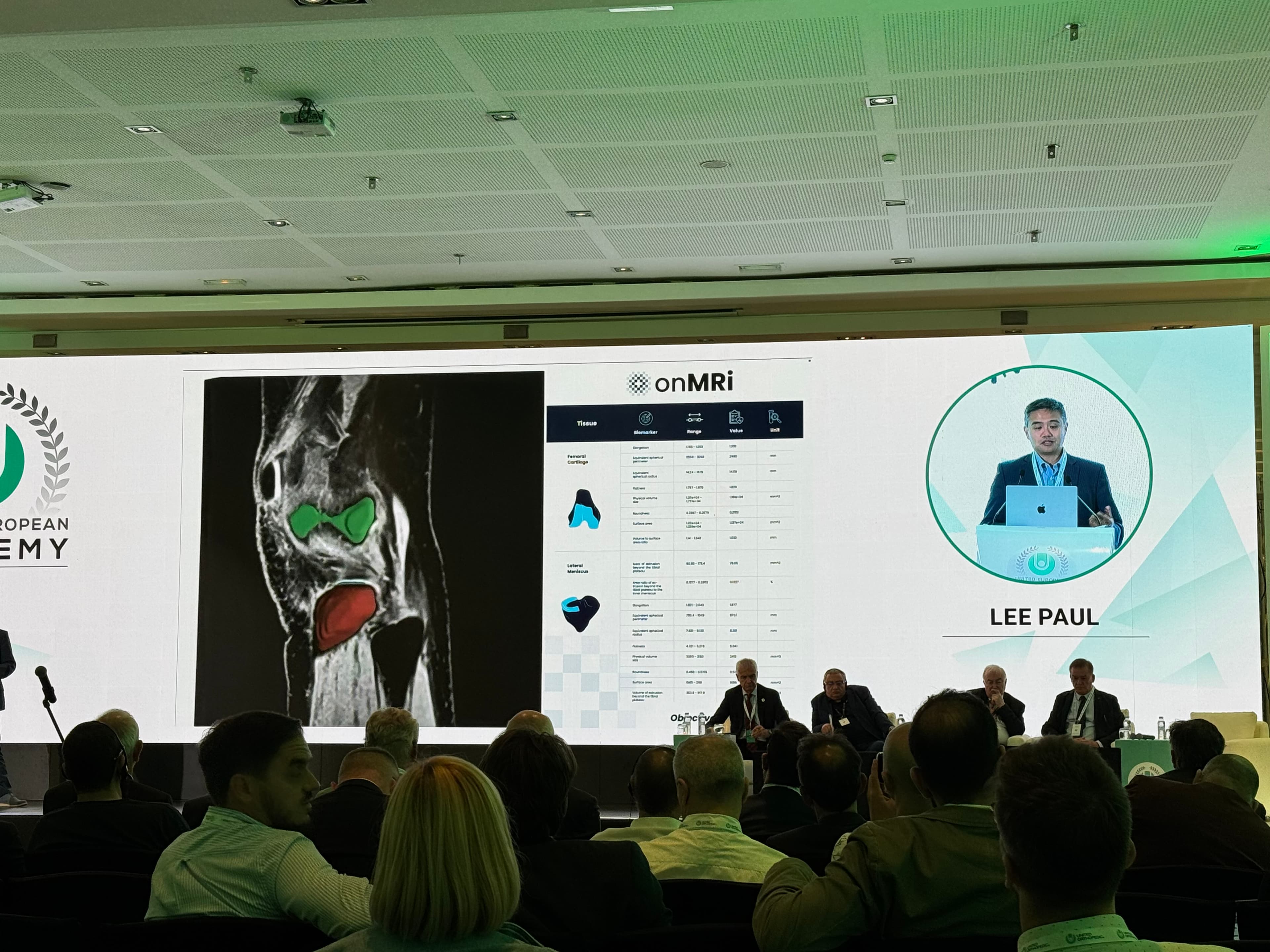 International keynote — European Academy
 Royal Society of Medicine
Authored and edited key texts in regenerative orthopaedics, cartilage science, and sports medicine — contributing to how the next generation of clinicians learns and thinks.
ExploreOriginal research spanning cartilage repair, joint preservation frameworks, bioengineering concepts, and clinical outcome measurement.
ExploreInvited keynotes, expert commentary, podcasts, and press features — translating complex science into accessible, honest public insight.
ExploreOver 100 peer-reviewed publications, editorial board roles, and academic contributions shaping international standards of practice.
Explore
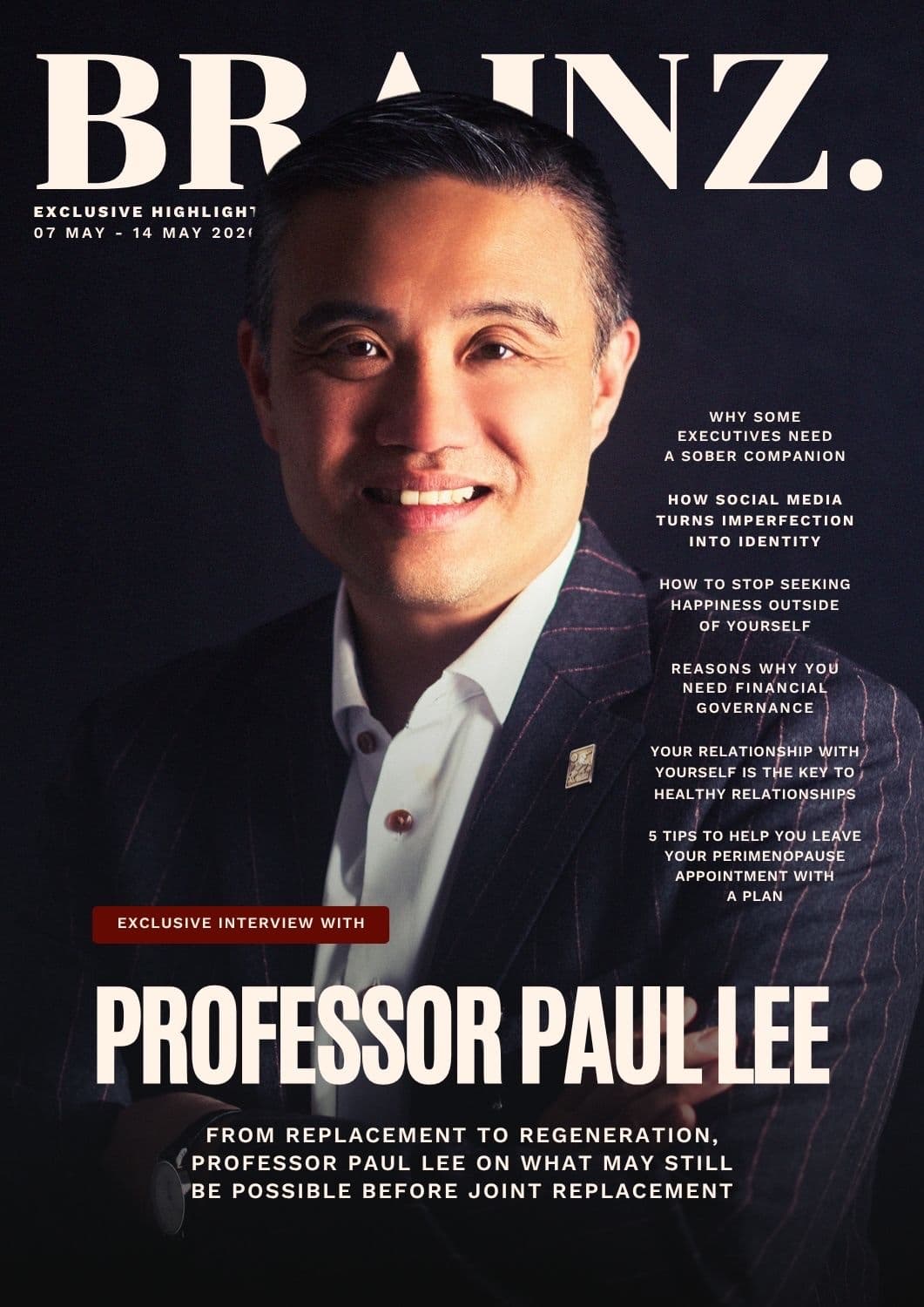
Brainz Magazine's exclusive long-form interview with Professor Paul Lee — on cartilage, joint preservation, the limits of “wear and tear,” and the shift from endpoint-driven thinking to a structured preserve, repair, regenerate, replace framework.
The biggest shift will be in mindset — from fixing problems to optimising systems over time.
Before replacement
Why timing — not the operation — is the question.
Systems-based
Structure, movement, biology and recovery — together.
TEDx-bound
A wider conversation on healthy ageing and recovery.
A Globally Recognised
Authority & Educator




International professional leadership
Professor Lee is Founding President of the International Association of Musculoskeletal Regeneration, known as IAMRegen.
International leadership and scientific oversight
IAMRegen is led by an international executive team. Its Scientific Advisory Board is chaired by Professor Feza Korkusuz and co-chaired by Professor Victoria Sarafian. The association runs consensus, congress, education, research and Centre of Excellence programmes.
This site is designed to help you understand the perspective behind the work. If you are looking for the right next step, you can explore the relevant pathway below.
For specialist assessment, treatment pathways, and decisions before replacement.
Explore Clinical Pathways
For pre-operative preparation, post-operative support, and structured recovery pathways.
Explore Regen
For practical orthopaedic pathways and regional patient care.
Explore MSK DoctorsFor medico-legal, speaking, advisory, innovation, and collaboration enquiries.
Work With Prof Lee






Professor Lee performs the well-proven knee, hip and sports surgery patients expect, and the pioneering techniques that grew out of it. For some patients the most important decision is not simply what comes next, but whether a more thoughtful, more individual, more specialist approach should come first. That is often where the right pathway begins.