Knee Arthritis Treatment— before knee replacement
Not every arthritic knee immediately needs replacement. For many patients, there is a meaningful window where the joint can be protected, supported, and biologically influenced — before replacement becomes the default conversation.

Not every arthritic knee immediately needs replacement.
The starting question is not what hurts. It is what may still be preserved — and for how long.
When knee replacement may be too early
Replacement is a powerful operation. It is also a one-way operation — once the joint surface is removed, it does not come back. That is why the timing conversation is at least as important as the surgical one.
A specialist assessment is not about avoiding surgery on principle. It is about making sure replacement is being chosen for the right reason, at the right point, for this particular knee.
In Professor Lee's practice, the questions worth asking before that decision is finalised include:
Stage of arthritis
How much of the joint is still working — and how much of it is reversible.
Functional demand
A 50-year-old runner is not a 75-year-old gardener; the same x-ray may need very different decisions.
Biological reserve
What the joint, the cartilage and the surrounding tissues may still be able to do, given the right input.
What has been tried
And — just as important — what has been tried incorrectly, or stopped too early.
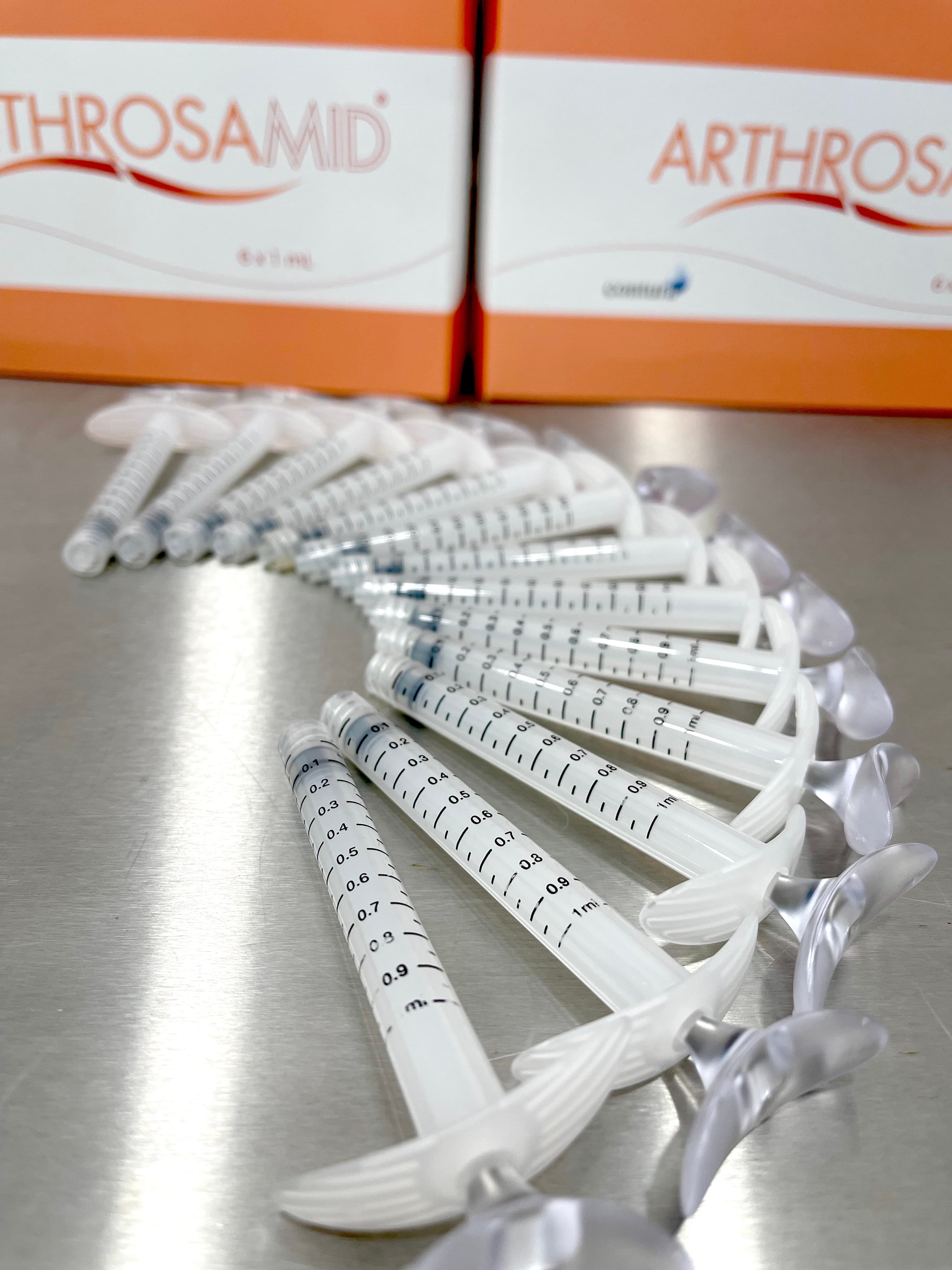
Arthrosamid — used precisely, not promoted indiscriminately
Professor Lee was an early adopter of Arthrosamid in the UK and has now treated carefully selected patients over multiple years of follow-up. The pattern is consistent: when the indication is right, the response can be substantial — and it can buy back the time and function that arthritic knees take away.
Arthrosamid is not a cure. It is not a shortcut. It is one piece of a preservation strategy. Used precisely, it changes outcomes. Used as a marketing category, it disappoints.
What it is
A non-biological hydrogel that integrates into the synovial lining and acts as a cushion.
Where it fits
Selected knees with osteoarthritis where pain is the dominant problem and the joint architecture is still workable.
How long it lasts
Sustained effect at multiple years in published follow-up. Not permanent, not a cure — a meaningful intervention that can defer replacement.
Who it is not for
Mechanical instability, bone-on-bone with deformity, untreated infection, or where surgery is clearly the right next step.
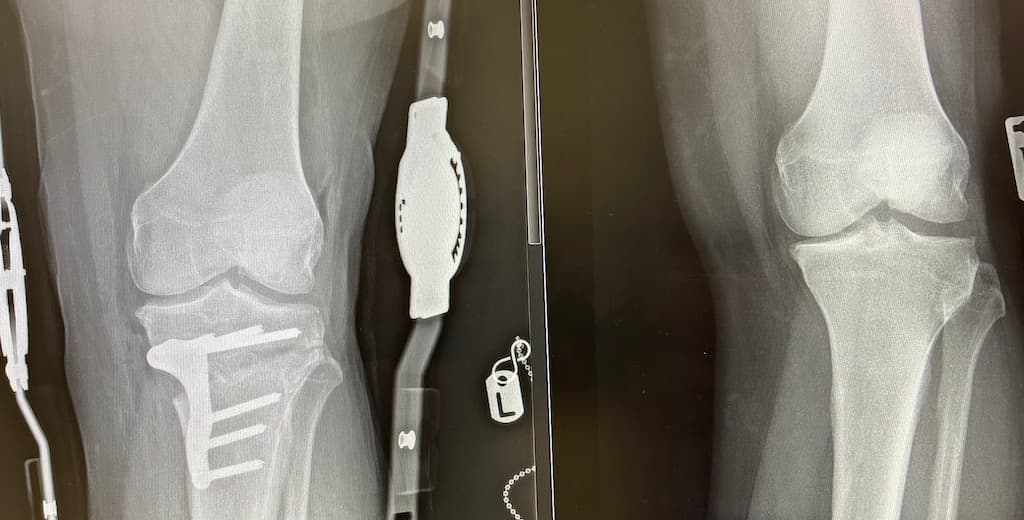
Joint preservation is a discipline, not a slogan
Preservation does not mean refusing surgery. It means treating the joint as something with a future — and making decisions on that basis, not on the basis of what is easiest, fastest, or most familiar to the clinician.
The framework Professor Lee works from is straightforward in principle and demanding in practice: protect what is still working, treat what can be treated precisely, intervene surgically when the evidence and the patient's situation both point that way, and never the other way round.
Step 01
Protect
Step 02
Treat precisely
Step 03
Intervene when right
Biologic and injection treatments
These are not interchangeable. They have different biology, different evidence, and different best-fit patients. Used selectively, they can be powerful. Used indiscriminately, they oversell and underdeliver.
PRP (Platelet-Rich Plasma)
Patient-derived platelet concentrate. Best evidence base of the autologous options. Targets inflammation and the cartilage matrix.
PRF (Platelet-Rich Fibrin)
A slower-release variant — different preparation, different biology, different decision.
mFat (Micro-Fragmented Fat)
A patient’s own fat tissue, mechanically processed. Acts as a structural and biological support, not a stem-cell product.
Image-guided injection
Ultrasound or fluoroscopic placement so the molecule lands where the joint actually needs it — not where the syringe feels right.
Image-guided is the default — not the upgrade.
Ultrasound or fluoroscopic placement is how Professor Lee performs joint injections, because precision is what determines whether the molecule reaches the target compartment. Blind injection is not a meaningful comparison.
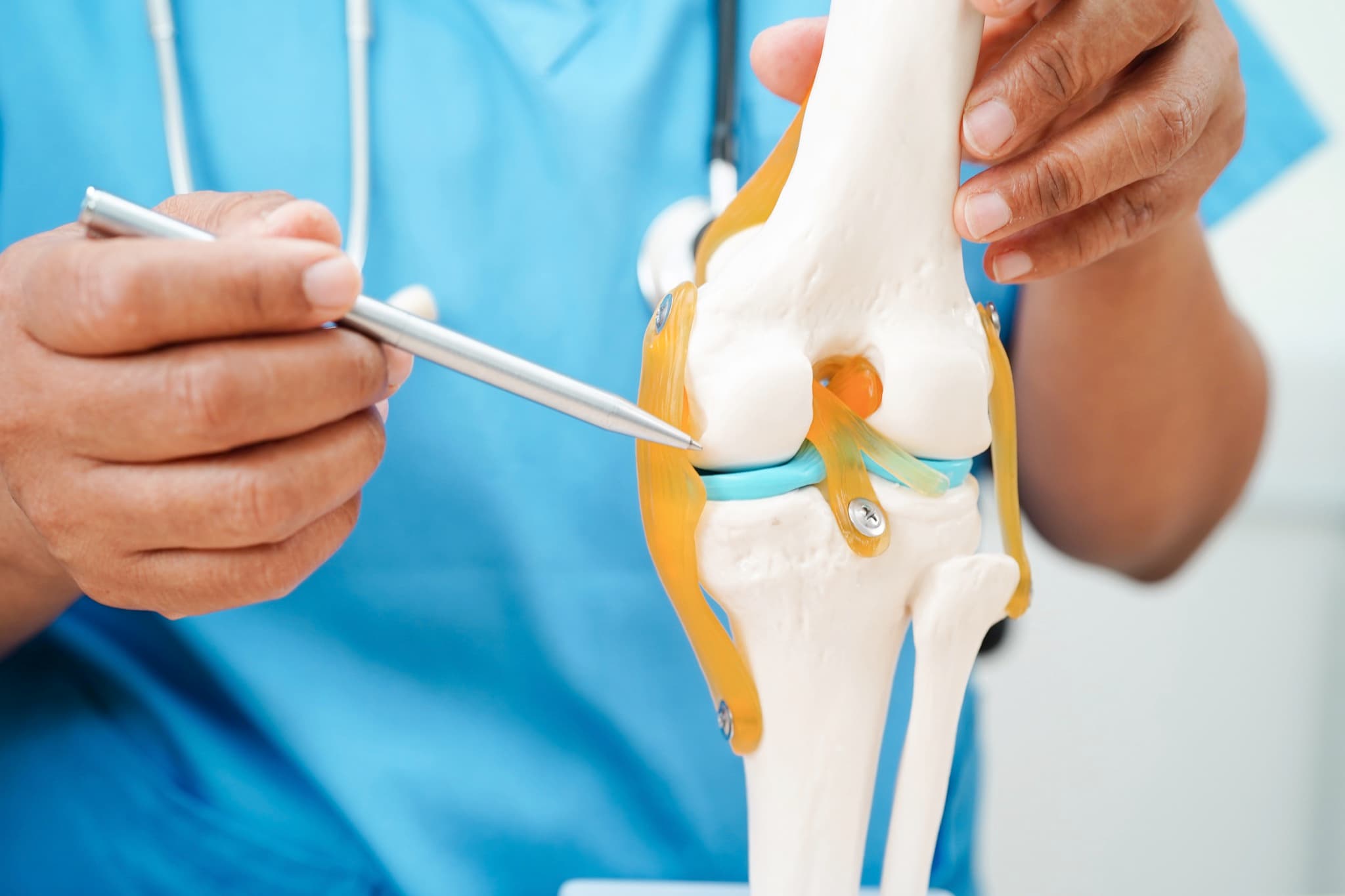
When replacement is the right decision
Preservation is not a refusal to operate. There are knees that have moved past the window where biology can meaningfully help — and for those patients, replacement done well is the right decision.
The clinical signals Professor Lee looks for, taken together rather than in isolation, include:
- Bone-on-bone with persistent mechanical pain at rest or at night
- Significant deformity that is changing the way the limb loads
- A meaningful drop in function despite a complete, well-executed non-surgical pathway
- A clear conversation where the patient understands what replacement can and cannot do
When those signals align, replacement is not the failure of preservation. It is what preservation has been working towards — the right operation, at the right time, for the right knee.
Common questions
For carefully selected knees, yes — and meaningfully. The published evidence shows sustained pain relief at multiple years in patients who would otherwise have been steered straight towards replacement.
The honest framing is this: Arthrosamid does not regrow cartilage and it does not stop arthritis. What it can do is change the symptom burden enough that a patient regains function, regains time, and reaches replacement — if replacement is ever needed — on better terms.
Then we have learned something useful. Failing a well-executed injection pathway is part of the data that helps decide whether replacement is now the right next step, or whether a different non-surgical layer (biologics, structured rehab, image-guided precision) should be tried first.
What does not follow is automatic surgery. The question is always: what does this particular joint, in this particular person, need next?
Established structural arthritis cannot be reversed — and any clinician claiming otherwise is overpromising. What can change is the trajectory: the rate of decline, the symptom load, the way the joint behaves under load, and the timing of any future surgical decision.
For some patients, yes — eventually. For many, with the right combination of preservation, precision injections, biologics, and structured recovery, replacement is delayed by years, sometimes longer. Inevitability is the wrong starting question.
Where the question often goes next
Joint preservation rarely sits on its own — these adjacent areas are where the same decision often gets refined further.
Cartilage Regeneration
When the joint surface itself is the question, not the bone — ChondroFiller, OCA, and preservation strategies.
Read more
Joint Injections
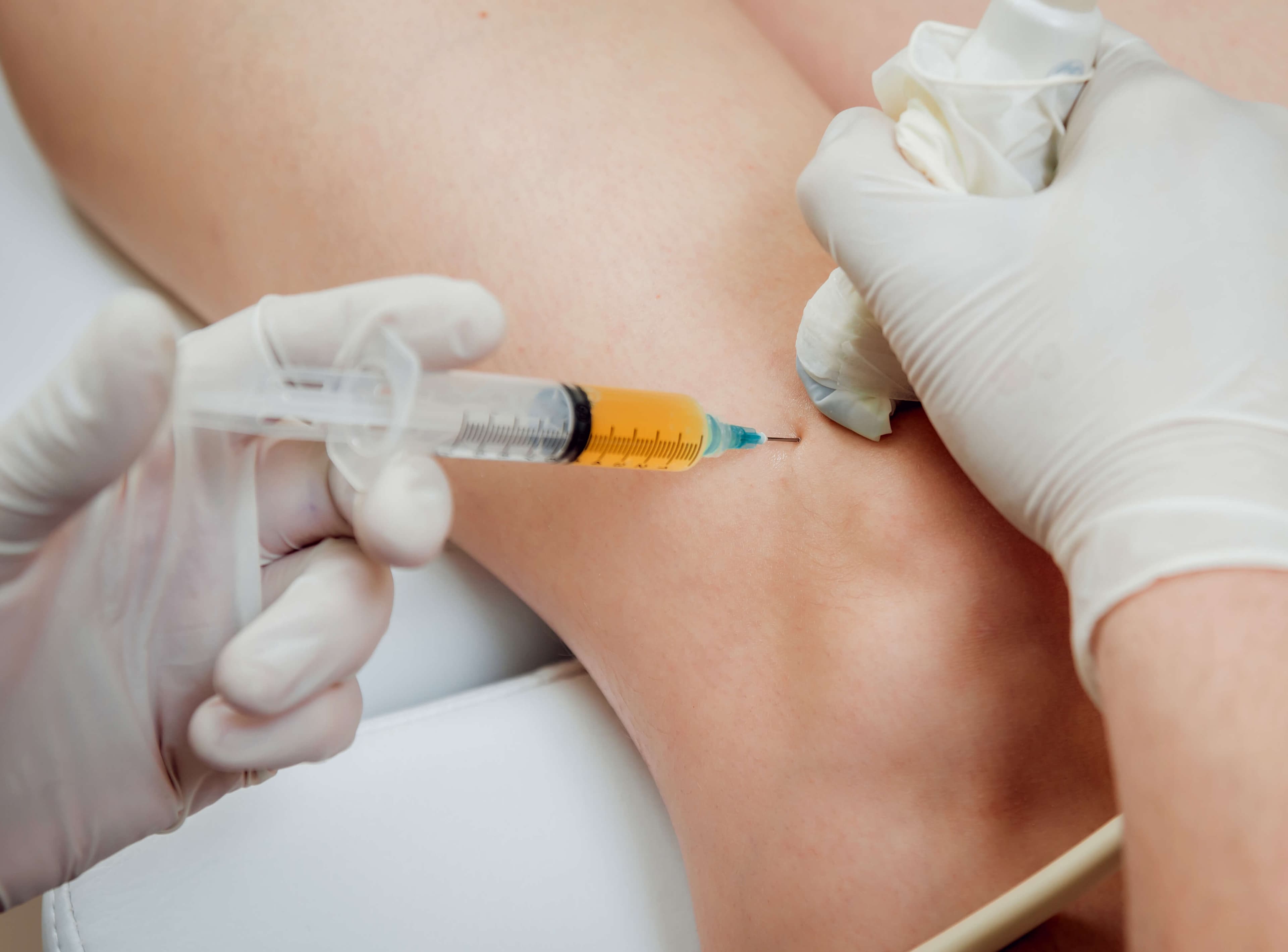
A deeper look at how injections fit inside a preservation strategy — and where their honest limits sit.
Read more
Recovery Optimisation
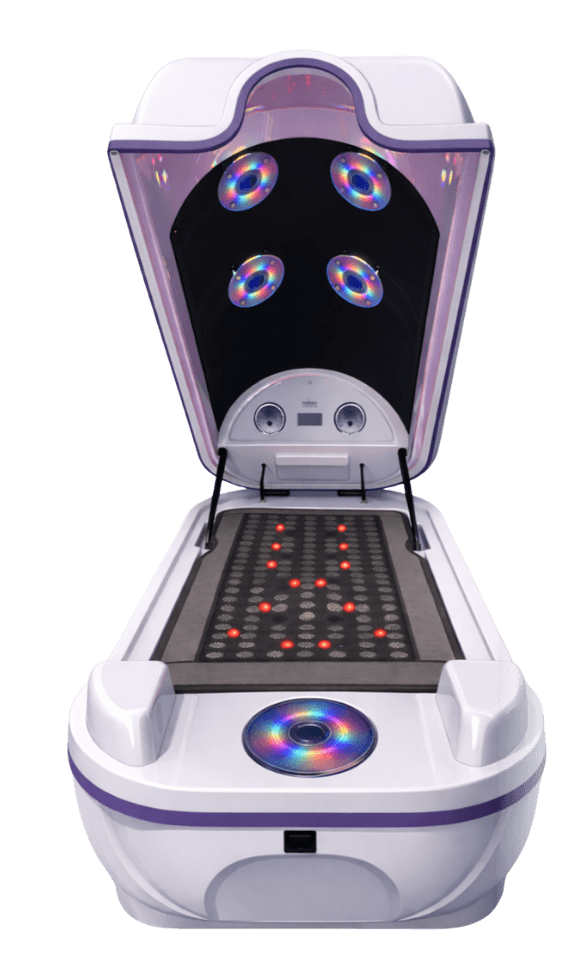
Whatever treatment is chosen, the recovery layer is what makes it work — prehab, sleep, structured progression.
Read more
The right next step is rarely the most familiar one
Specialist input, before replacement is finalised
Many patients arrive having been told replacement is the only option. For some, that is correct. For many, it is not — at least, not yet.