Joint Injections

Joint Injectionsfor Arthritis & Joint Pain

Joint injections, used precisely, are a meaningful part of joint preservation. Used as a clinic category — endlessly repeated, sold by the syringe — they disappoint. The difference is in how the decision is made.

ArthrosamidPRPPRFmFatImage-guided precision
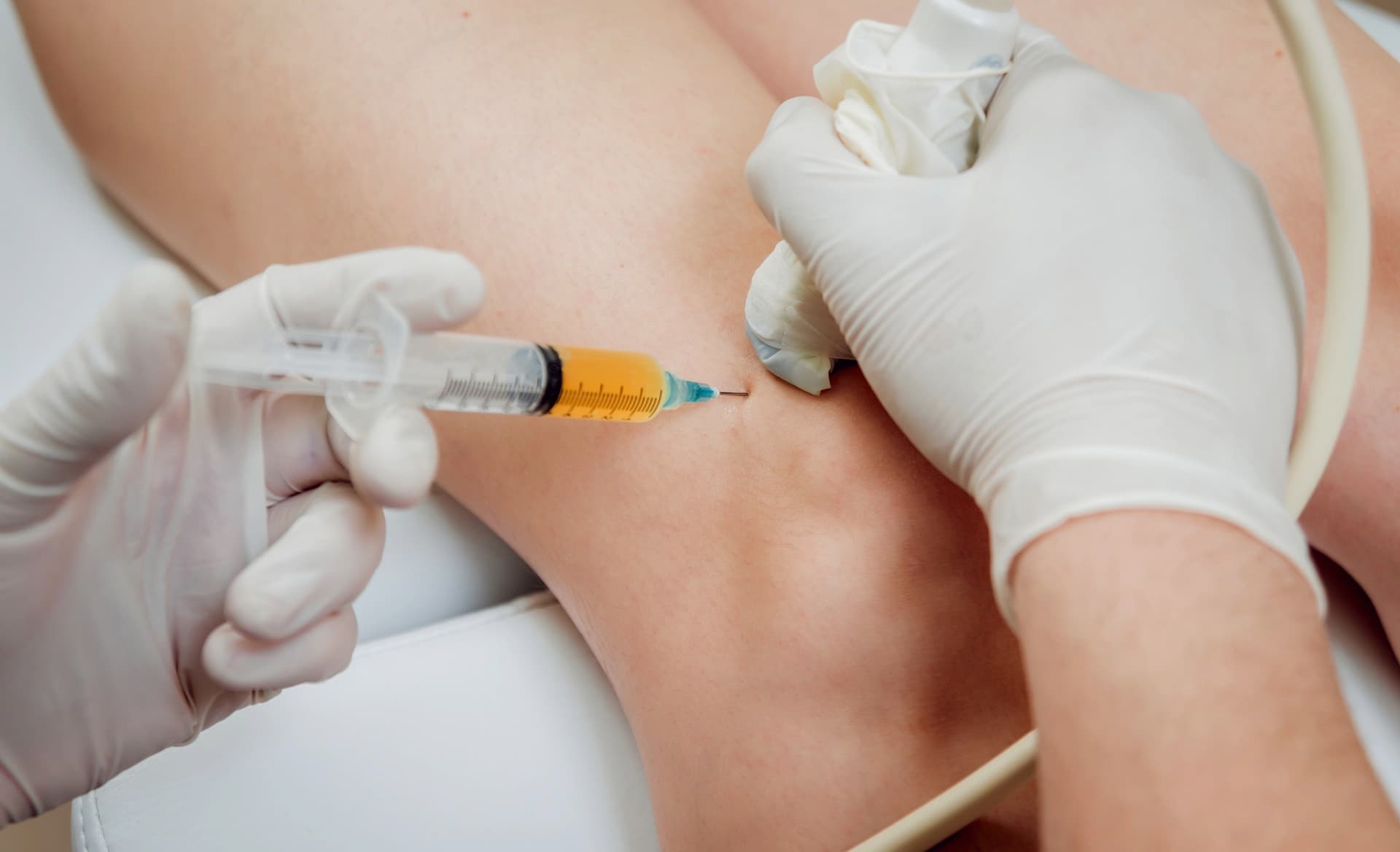
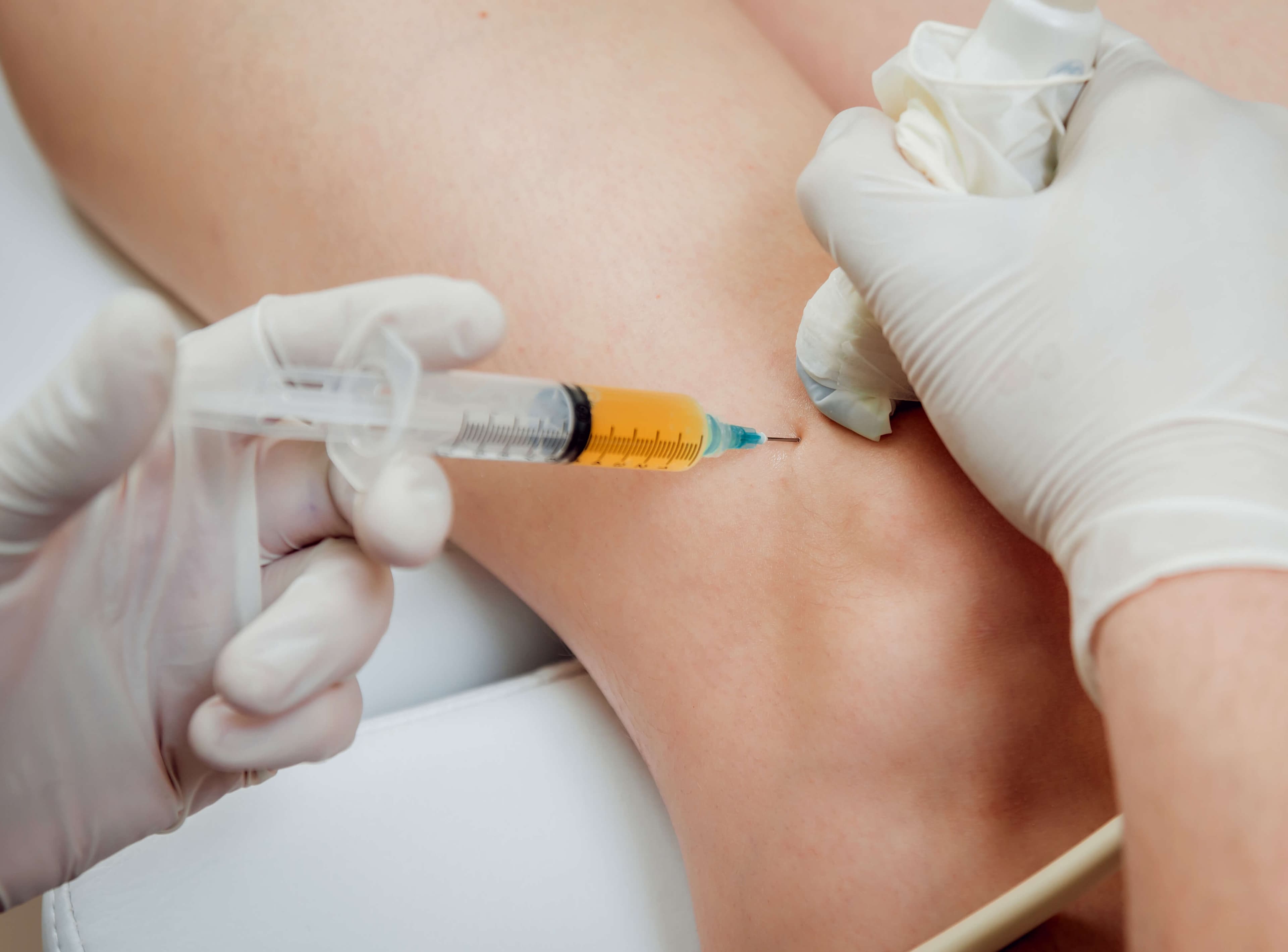
Ultrasound-guided knee injection

Used precisely — never as a marketing category.

The right injection, at the right time, into the right joint, inside a wider strategy.

01 · Role

The role of injections in joint preservation

Injections do four useful things — and one or two things they are wrongly asked to do. Knowing the difference is the work.

Role 01

Pain relief that buys time

A well-targeted injection can reduce symptoms enough that other parts of the preservation strategy — strength, biology, structured progression — can actually be done.

Role 02

A diagnostic step

A precisely placed local anaesthetic injection answers the question "is this pain really coming from here?" before larger decisions are made.

Role 03

A biological input

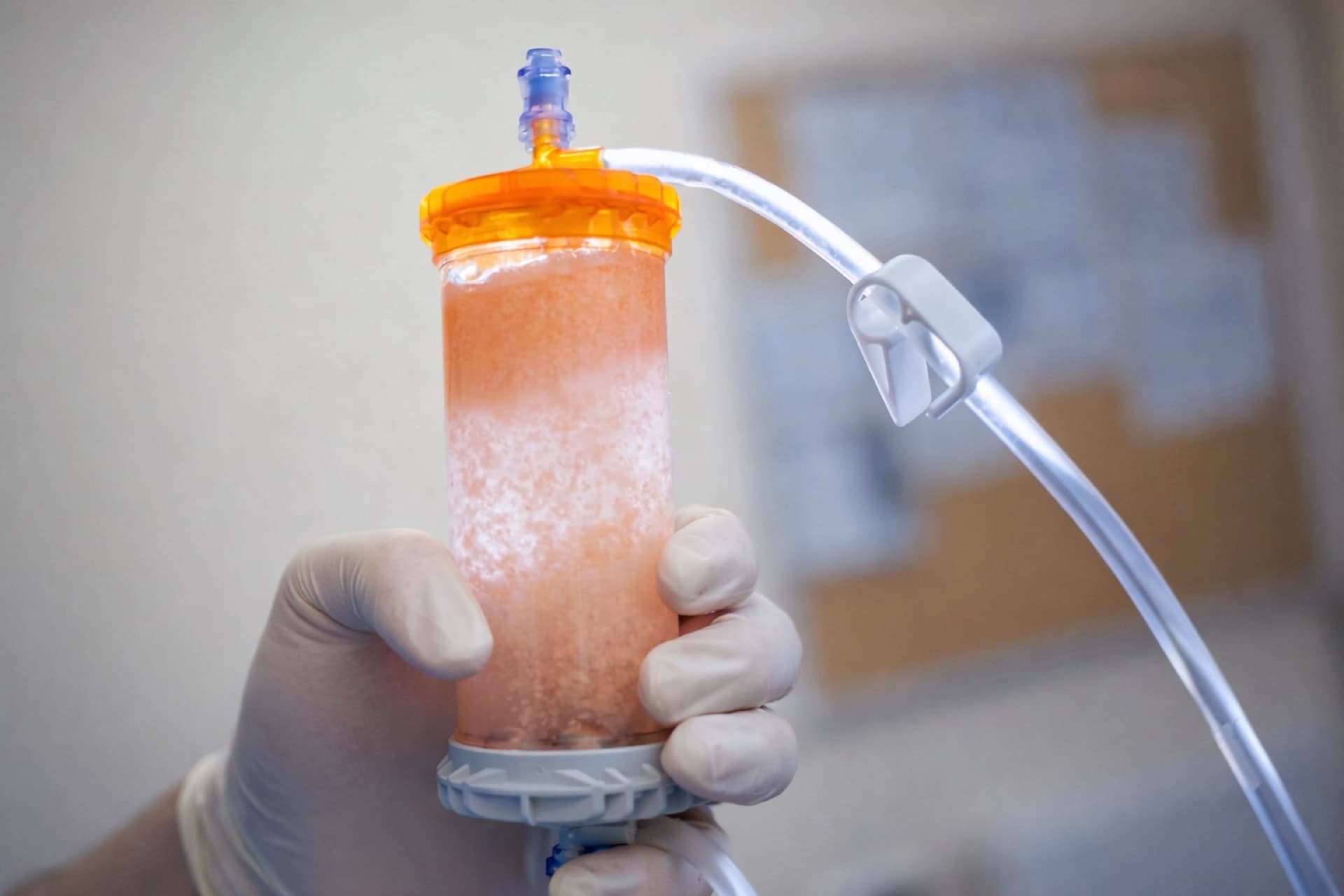
PRP, PRF, and mFat give the joint a different chemical environment — modulating inflammation and supporting tissue repair where the conditions allow.

Role 04

A bridging intervention

For carefully selected arthritic joints, Arthrosamid can extend the preservation window by months or years.

02–05 · Options

Arthrosamid, PRP, PRF, and mFat — what each is actually for

These are different molecules, different biology, and different right answers. Treating them interchangeably — "just give me an injection" — wastes the opportunity.

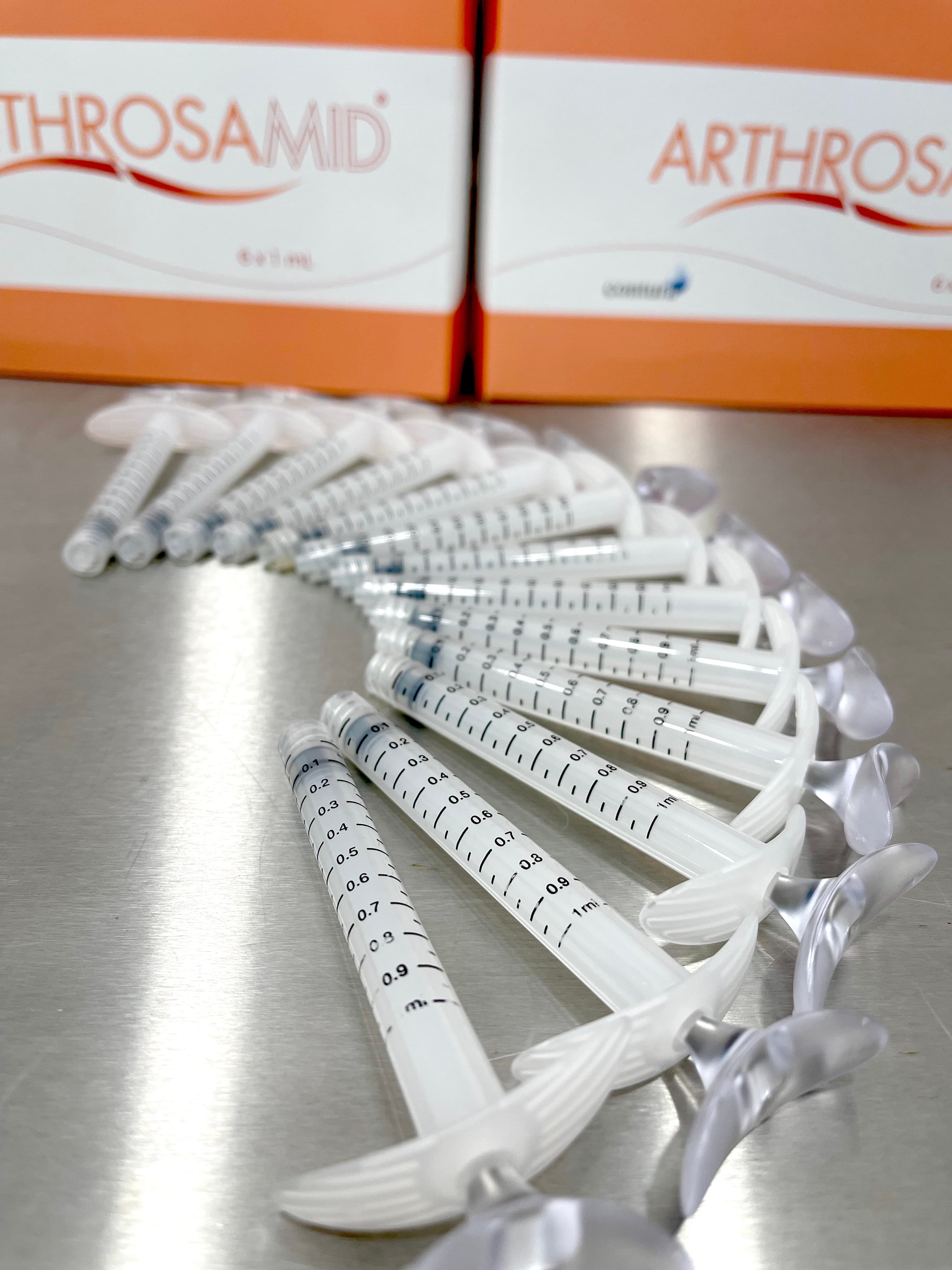
Arthrosamid

Arthrosamid

Synthetic hydrogel cushion. Sustained effect at multiple years in published follow-up.

Best for

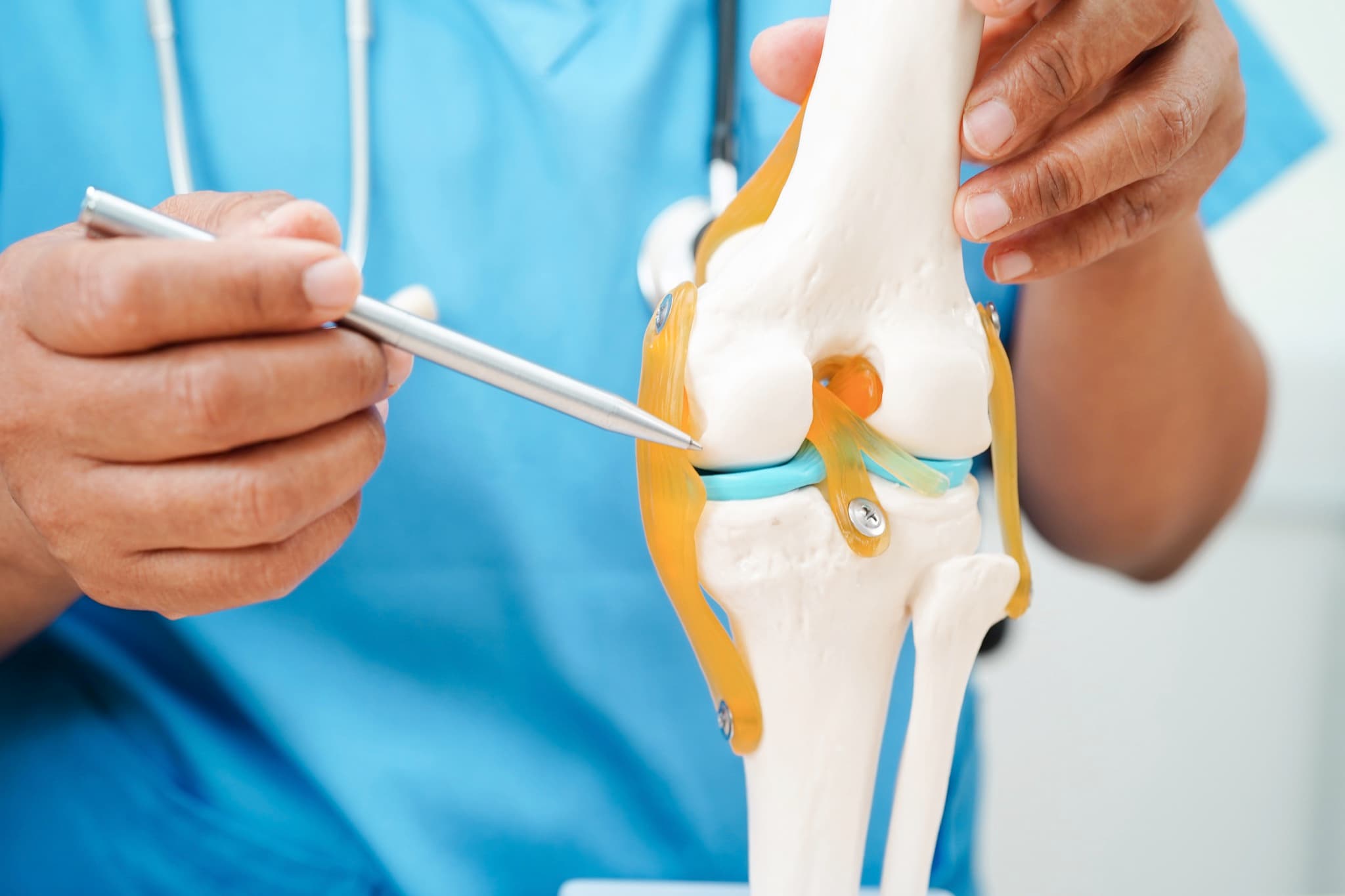
Selected knees with osteoarthritis where pain is the dominant problem and the joint architecture is workable.

Not for

End-stage bone-on-bone with deformity, infection, or where surgery is clearly the right next step.
PRP (Platelet-Rich Plasma)

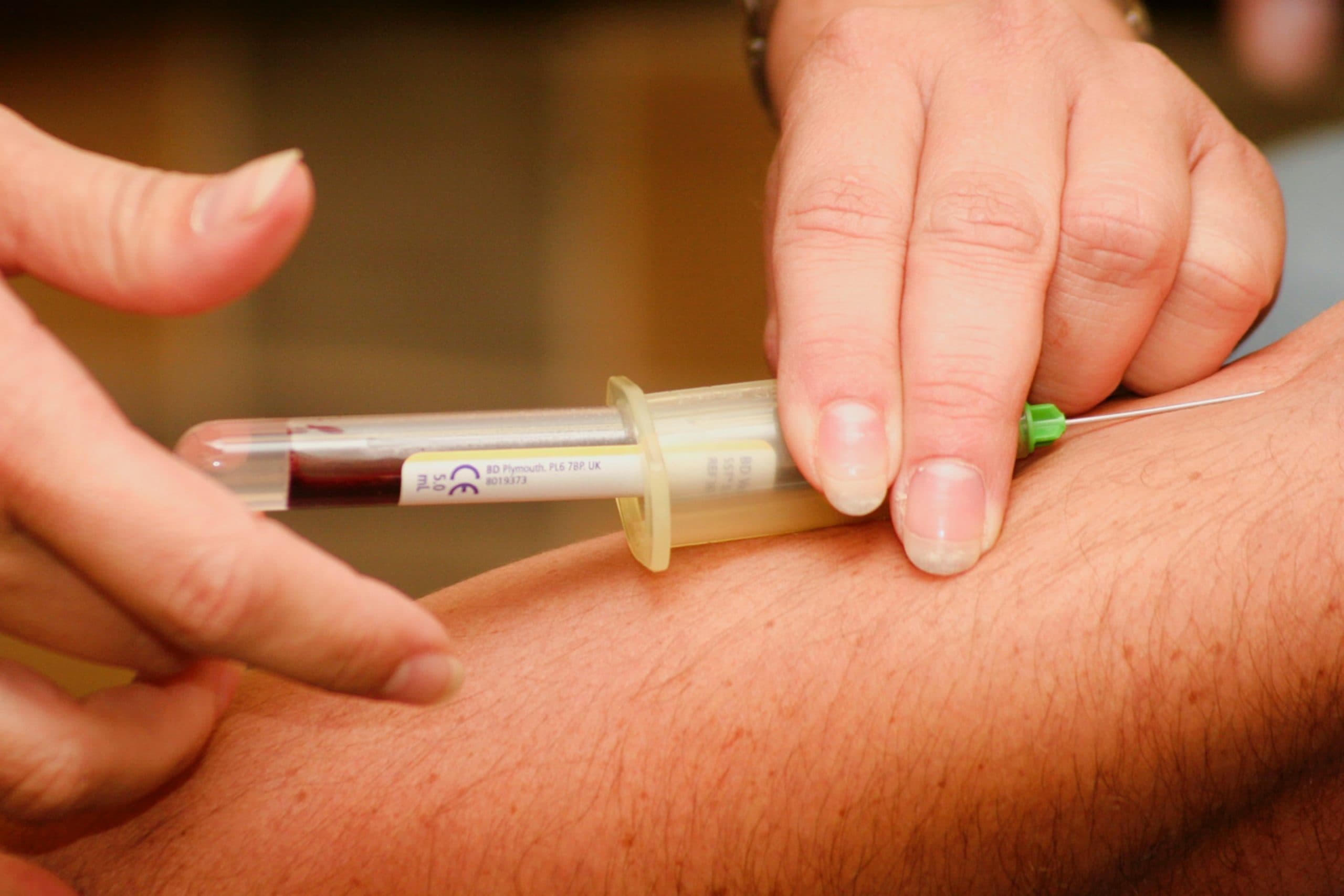
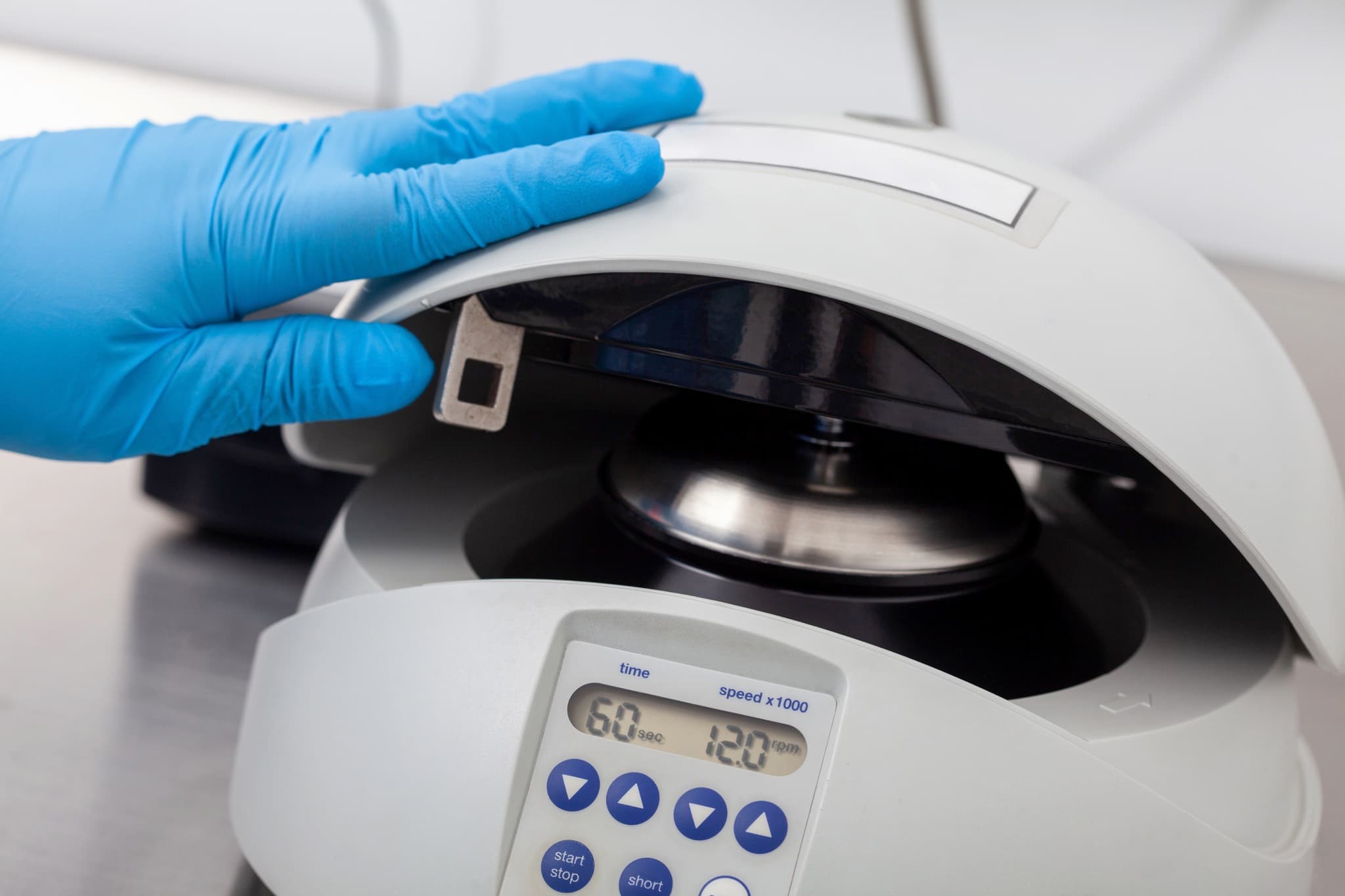
PRP (Platelet-Rich Plasma)

Patient-derived platelet concentrate. The best-evidenced of the autologous biologics.

Best for

Early-to-moderate arthritis, persistent tendinopathy, and as part of post-surgical biological optimisation.

Not for

A substitute for structural surgery in clearly mechanical problems.

PRF (Platelet-Rich Fibrin)

PRF (Platelet-Rich Fibrin)

A slower-release variant of platelet-rich therapy. Different preparation, different biology.

Best for

Cases where prolonged growth-factor release is the intended mechanism.

Not for

Conditions where PRP has stronger published evidence — the right preparation matters.

mFat (Micro-Fragmented Fat)

mFat (Micro-Fragmented Fat)

A patient's own fat tissue, mechanically processed — structural and biological support.

Best for

Carefully selected arthritic joints where a longer-acting biological cushion is appropriate.

Not for

Marketed as a "stem-cell injection" — it is not. The honest framing is mechanical and biological support.

06 · Precision

Image-guided precision — not a premium upgrade

Every joint injection Professor Lee performs is image-guided. Ultrasound for most peripheral joints; fluoroscopy where deeper visualisation is needed. This is not a marketing claim — it is the default standard of practice in modern intervention-led care.

Blind injection misses the joint space in a non-trivial percentage of cases. When the injectate matters — especially for biologics and Arthrosamid — that miss rate is unacceptable.

Ultrasound guidance

Real-time imaging of the needle reaching its target. The default for most peripheral joint injections.

Fluoroscopic guidance

X-ray-based guidance for deeper joints (hip, spine), where ultrasound cannot reliably visualise the target.

No blind injection

Blind intra-articular injection misses the joint space in a meaningful percentage of cases. That is not a number worth accepting when imaging is available.

Image-guided knee injection procedure
07 · Honesty

Realistic expectations

  • No injection regrows established cartilage. Be wary of any clinic that suggests otherwise.
  • Effect duration varies — a few months for some, multiple years for others. Honest counselling sets the expectation.
  • A failed injection is data, not a verdict. It tells us where this joint is on its trajectory.
  • Injections work best inside a wider strategy — strength, sleep, weight, structured load progression. None of these are optional.
FAQ

Common questions

There is no single answer. The right injection depends on the joint, the stage of disease, the patient's goals, what has been tried before, and how the joint behaves at the time of assessment.

A specialist consultation is what allows that decision to be made well — not a price list of injection options to choose from.

No — and any practitioner suggesting that is overselling. What injections can do, used precisely, is delay surgery, support recovery from surgery, or — in the right cases — be the right intervention on their own. They are part of the toolkit, not the toolkit.

Arthrosamid: sustained effect at multiple years in published follow-up for appropriate candidates.

PRP / PRF: typically months, sometimes longer; often given as a planned series.

mFat: usually months to a year-plus; longer in many cases. All vary by joint, by stage of disease, and by what else is being done.

Sometimes one; sometimes a planned series. The strategy is set up front — including the question of when to stop, which is just as important as when to start. Injection therapy without a planned end-point tends to drift, and that is not how Professor Lee's practice works.

The right injection is part of a strategy

Used precisely — never as a marketing category

ArthrosamidPRPPRFmFatimage-guided

Arthrosamid, PRP, PRF, mFat — different molecules, different biology, different right answers. The work is in the decision-making, not the syringe.

Privacy & Cookies Policy