Research & Innovation
Building more thoughtful musculoskeletal pathways across surgery, science, engineering, regeneration, and recovery.
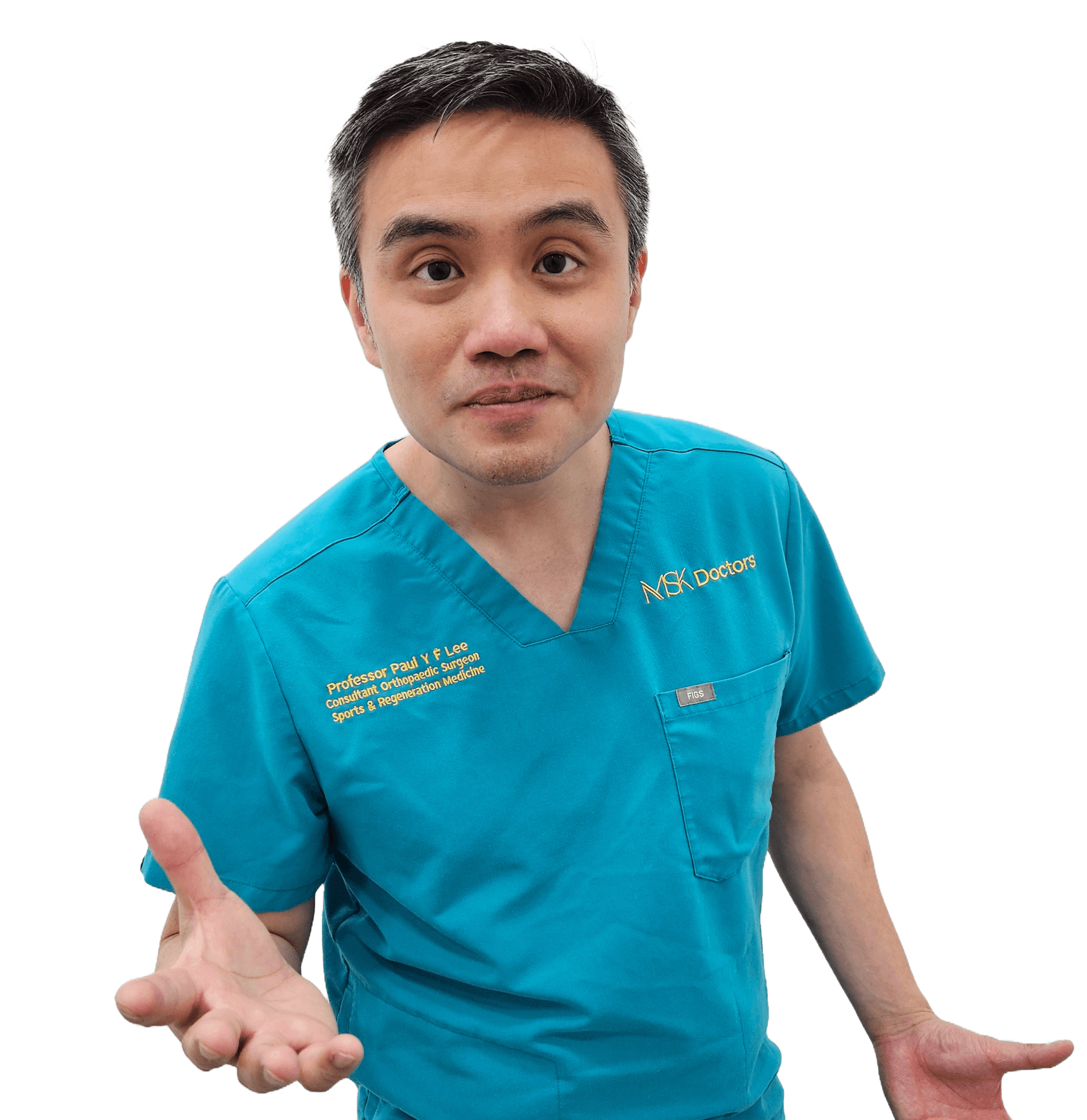
Professor Paul Lee's work extends beyond clinical practice into research, translational innovation, systems design, and musculoskeletal technology — with a focus on improving how joints are understood, assessed, supported, and treated.
Innovation shaped by clinical reality
Professor Lee's innovation work has never been built around technology for its own sake.
It has been shaped by a much simpler question:
What is missing in the current pathway — and how can it be improved?
That mindset has driven work across:
The result is not a single project. It is a wider body of connected work designed to improve what happens:
before, during, and around musculoskeletal care.
An engineer's mindset
A defining feature of Professor Lee's work has been the willingness to question standard pathways where they no longer go far enough.
Not only asking
- What treatment exists
- What surgery is available
- What has always been done
But also asking
What should exist — if we were designing this better today?
That question sits behind much of his wider work across clinical concepts, frameworks, systems, pathways, technologies, and regenerative thinking.
And where there is not yet a better route:
the work becomes building one.
The research and innovation ecosystem
Professor Lee's wider work is not built around isolated ideas. It is built around a connected ecosystem of:
Each part plays a different role — but all of it is driven by the same broader goal:
to improve the pathway, not simply repeat it.
 Translational research in practice
How the ecosystem is structured
Clinical Practice
The real-world clinical foundation where patient problems, unmet needs, and pathway limitations are encountered first.
Includes: London Cartilage Clinic, MSK Doctors, specialist orthopaedic and regenerative practice.
Research & Evidence
A growing body of clinical studies, translational work, and structured enquiry designed to explore better musculoskeletal pathways.
Includes: Clinical studies, regenerative medicine projects, movement and imaging work, translational musculoskeletal research.
Education & Knowledge Translation
Making complex musculoskeletal and regenerative concepts more understandable and more usable for patients, professionals, and wider audiences.
Includes: Research content, regenerative medicine education, writing, knowledge platforms, and structured clinical explanation.
Concepts, Systems & Pathways
The development of new frameworks, pathways, and ideas designed to improve what sits around or before standard orthopaedic care.
Includes: STACi, STARR, Liquid Cartilage, Regen Pod, R.E.U., and wider regenerative / systems concepts.
Engineering, Movement & Future Systems
Work at the intersection of orthopaedics, engineering, movement science, imaging, and future musculoskeletal decision-making.
Includes: AI-enabled movement analysis, imaging correlation, objective assessment, and engineering-led musculoskeletal systems.

MSK Regenrepresents the broader public-facing and research-led foundation layer of Professor Lee's ecosystem.
Its role is to support:
- Musculoskeletal research
- Regenerative medicine education
- Public health and awareness
- Community-facing initiatives
- Wider engagement around future musculoskeletal care
This helps create a wider platform for ideas, education, research visibility, and regenerative thinking beyond the clinic environment.
Explore MSK Regen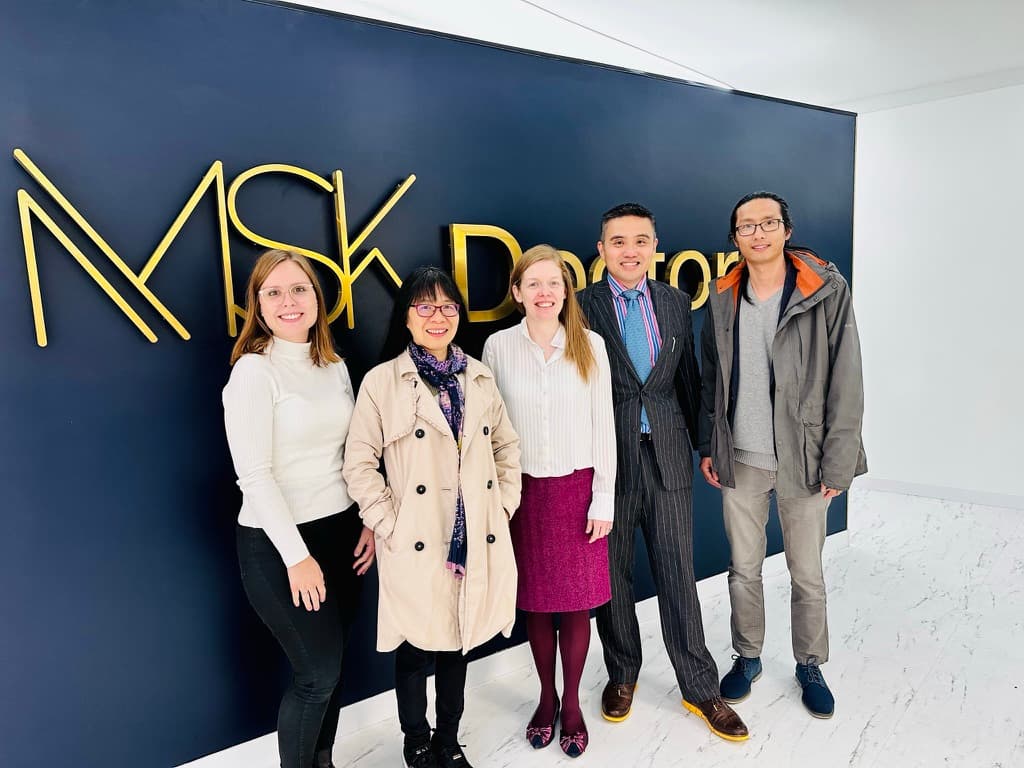
Research and knowledge translation
A major part of innovation is not only discovering better pathways — but explaining them clearly enough for people to use them. Professor Lee's wider knowledge and education platforms help translate complex topics into more accessible formats for patients, clinicians, and wider audiences.
Regenerative Medicine
Making regenerative concepts and biological approaches more understandable.
Cartilage Science
Translating cartilage biology, repair strategies, and preservation thinking.
Decision-Making
Helping patients and clinicians navigate orthopaedic choices more clearly.
Treatment Thinking
Explaining the reasoning behind treatment strategies and clinical pathways.
MSK Research
Sharing musculoskeletal research findings in a more practical, usable format.
Active research and clinical studies
Professor Lee's wider research work includes both active and completed projects across areas such as:
This includes work designed not only to generate evidence — but to improve how patients are assessed, understood, and supported in practice.
View Research Activity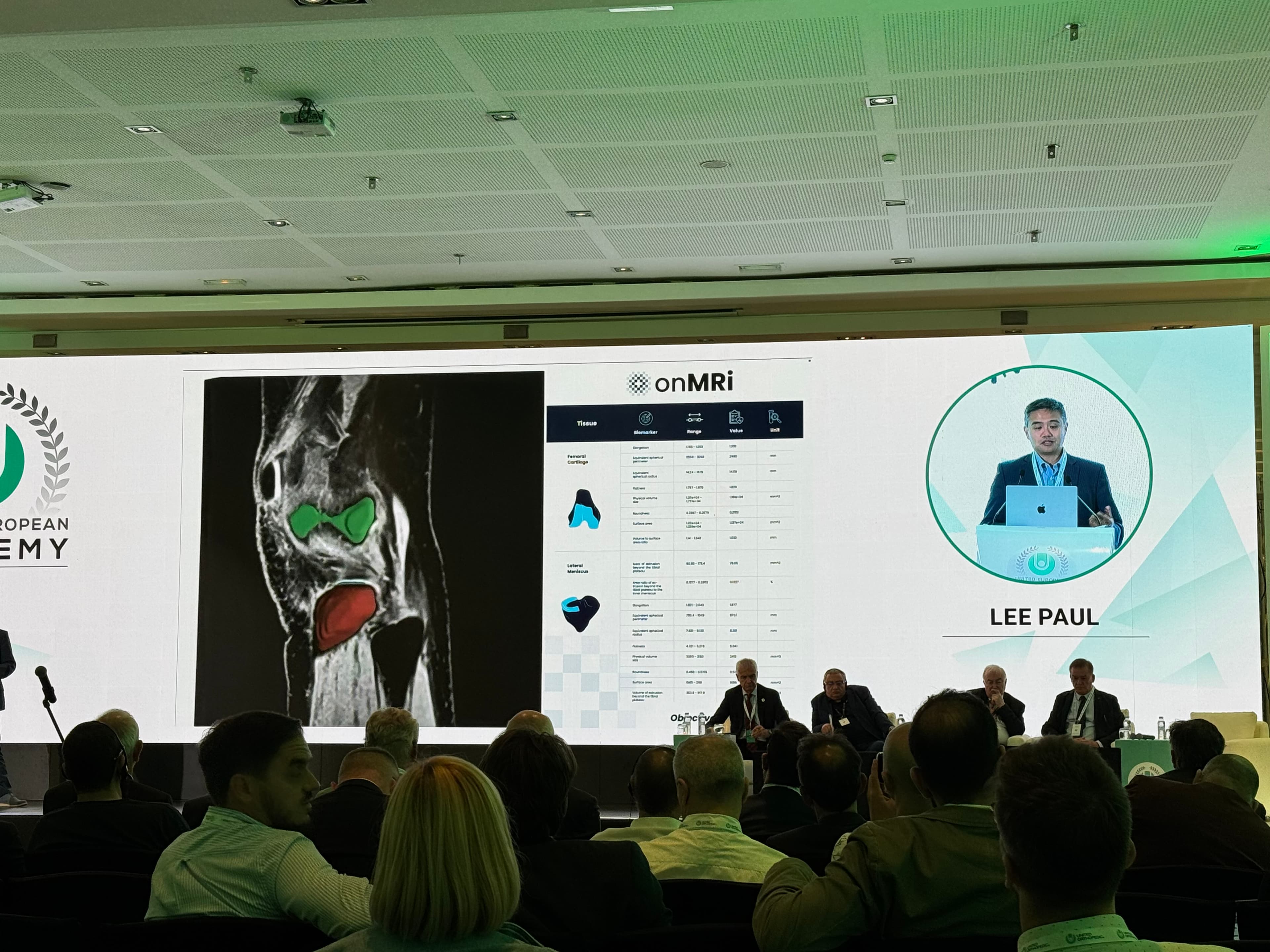 International keynote — European Academy
Translational work and grant-supported innovation
A number of Professor Lee's innovation and translational projects have been developed through wider collaboration and competitive support, including work linked to:
This reflects a broader commitment not simply to ideas — but to building systems and pathways that may have meaningful real-world value.
The goal is not innovation for show — but innovation that genuinely improves how care is understood, delivered, or experienced.
Selected concepts and systems
A number of Professor Lee's wider ideas, frameworks, and systems have emerged from the same underlying goal: improving what sits around and before standard orthopaedic pathways.
STACi
A cartilage-focused preservation and regenerative concept designed around more thoughtful joint decision-making.
STARR
A more preservation-led way of thinking about ligament and ACL pathways.
Liquid Cartilage
A practical regenerative concept exploring more biologically supportive cartilage pathways.
Regen Pod
A structured recovery and optimisation environment built around regenerative support and exposure.
R.E.U.
A conceptual framework for understanding and measuring regenerative energy delivered over time.
G.O.A.T.
A biologically augmented shoulder preservation concept reflecting the same wider preservation-first philosophy.
These are not intended as disconnected inventions. They are all part of the same broader mission:
to improve the pathway, not simply repeat it.
Engineering, AI, and future musculoskeletal systems
A major part of Professor Lee's wider work sits at the intersection of orthopaedics, engineering, movement, imaging, data, and future musculoskeletal systems.
Diagnosis
More objective ways to identify and understand joint conditions.
Planning
Data-informed strategies for more individual treatment pathways.
Monitoring
Tracking progress and outcomes with measurable clinical signals.
Recovery Pathways
Optimising rehabilitation with engineering-led assessment.
Decision-Making
Supporting more thoughtful clinical decisions through better data.
The long-term aim is not simply to make care more technical. It is to make it:
more measurable, more thoughtful, and more individual.
Why this work matters
Current reality
- subjectivity
- late-stage decisions
- reactive pathways
- systems that often only engage once damage has become more established
What care can become
- earlier
- clearer
- more individual
- more measurable
- more biologically respectful
That is where research and innovation become meaningful. Not as a separate world from clinical care.
But as a way of helping improve it.
Collaboration and future work
Professor Lee's wider work continues to evolve across clinical innovation, engineering, regenerative systems, translational development, and research partnerships. This work may be relevant to:
Academic Collaborators
University departments, research groups, and academic institutions exploring musculoskeletal or regenerative topics.
Clinical Innovators
Clinicians developing new approaches to joint preservation, assessment, or treatment pathways.
Industry Partners
Medical device, biotech, and pharmaceutical partners exploring translational opportunities.
Technology Developers
Teams building movement analysis, imaging, AI, and engineering-led musculoskeletal tools.
Education Platforms
Organisations focused on knowledge translation, clinical education, and public health awareness.
Future MSK Organisations
Organisations interested in the future of musculoskeletal care, prevention, and pathway design.
As Featured In









Because better pathways do not build themselves
At the heart of Professor Lee's research and innovation work is a simple belief:
If the current pathway is not good enough, it should be improved.
That is the work.
A Globally Recognised
Authority & Educator