Clinical Expertise

Clinical Expertise

Professor Paul Lee is known for helping patients understand what may still be possible before replacement becomes the default — particularly where preservation, repair, regeneration, or more thoughtful decision-making may still matter.

Professor Paul Lee - Surgeon, Scientist, Engineer

Where Professor Lee's work is most focused

Not every joint problem is straightforward.

And not every patient should be placed on a standard pathway.

Professor Paul Lee's clinical work is particularly focused on joints and situations where the decision is not always simple — especially where tissue may still be worth preserving, biology may still matter, or a more thoughtful approach may still change the direction of the pathway.

That work sits across joint preservation, cartilage and meniscus care, biological reconstruction, replacement decision-making, and selected high-demand orthopaedic and sports-related problems.

This is not about doing more for the sake of it.

It is about understanding what is most appropriate, at the right time, for the right joint.

Core Clinical Expertise

01

Cartilage Damage & Joint Preservation

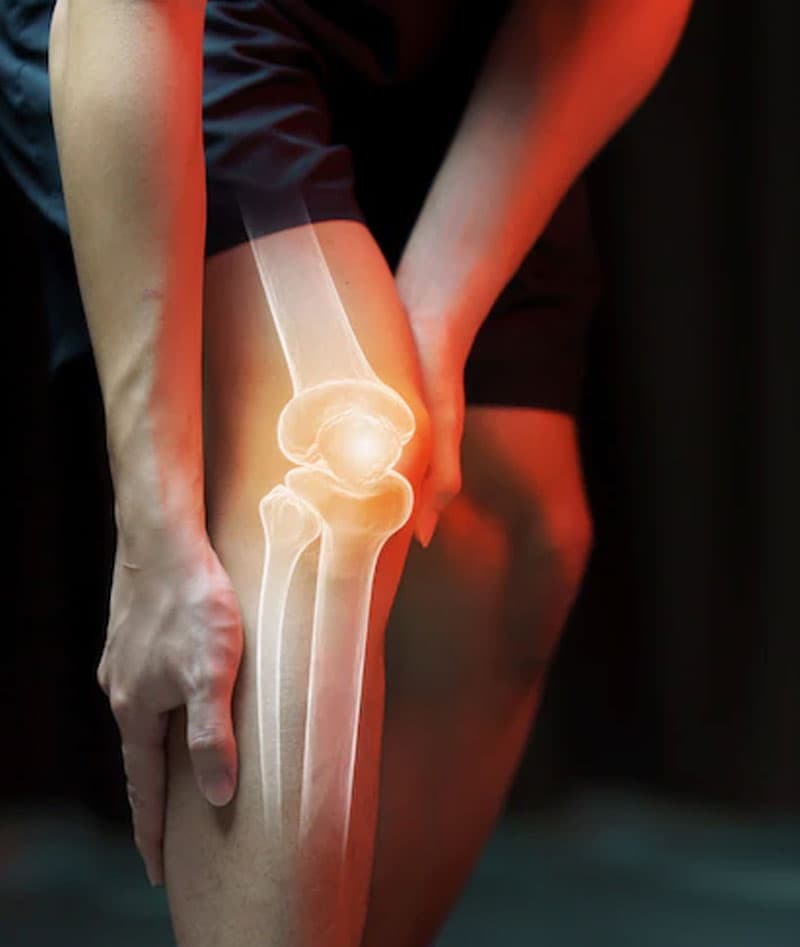
Cartilage is not just another tissue. And cartilage damage should not be reduced to a routine label.

Professor Lee is particularly known for helping patients understand whether damaged joint surfaces may still be preserved, protected, repaired, biologically restored, or more thoughtfully managed before replacement becomes the default.

This is often where a more specialist perspective matters most — especially when the question is not simply what is damaged, but what may still be worth saving.

Can cartilage damage still be repaired?Can your joint still be saved before replacement?
02

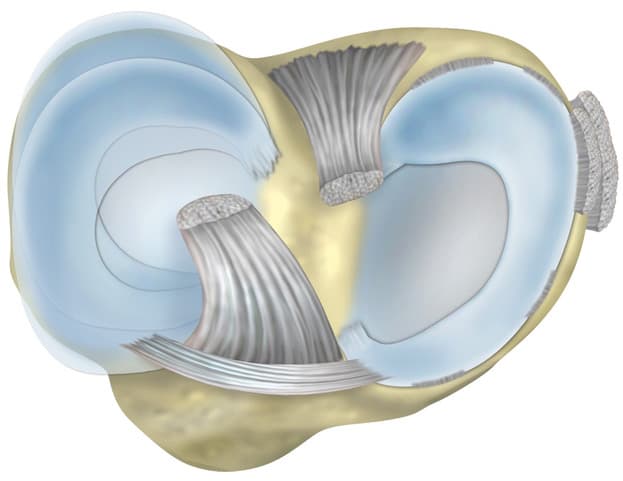
Meniscus Preservation & Meniscus Loss

Meniscus problems are often underestimated.

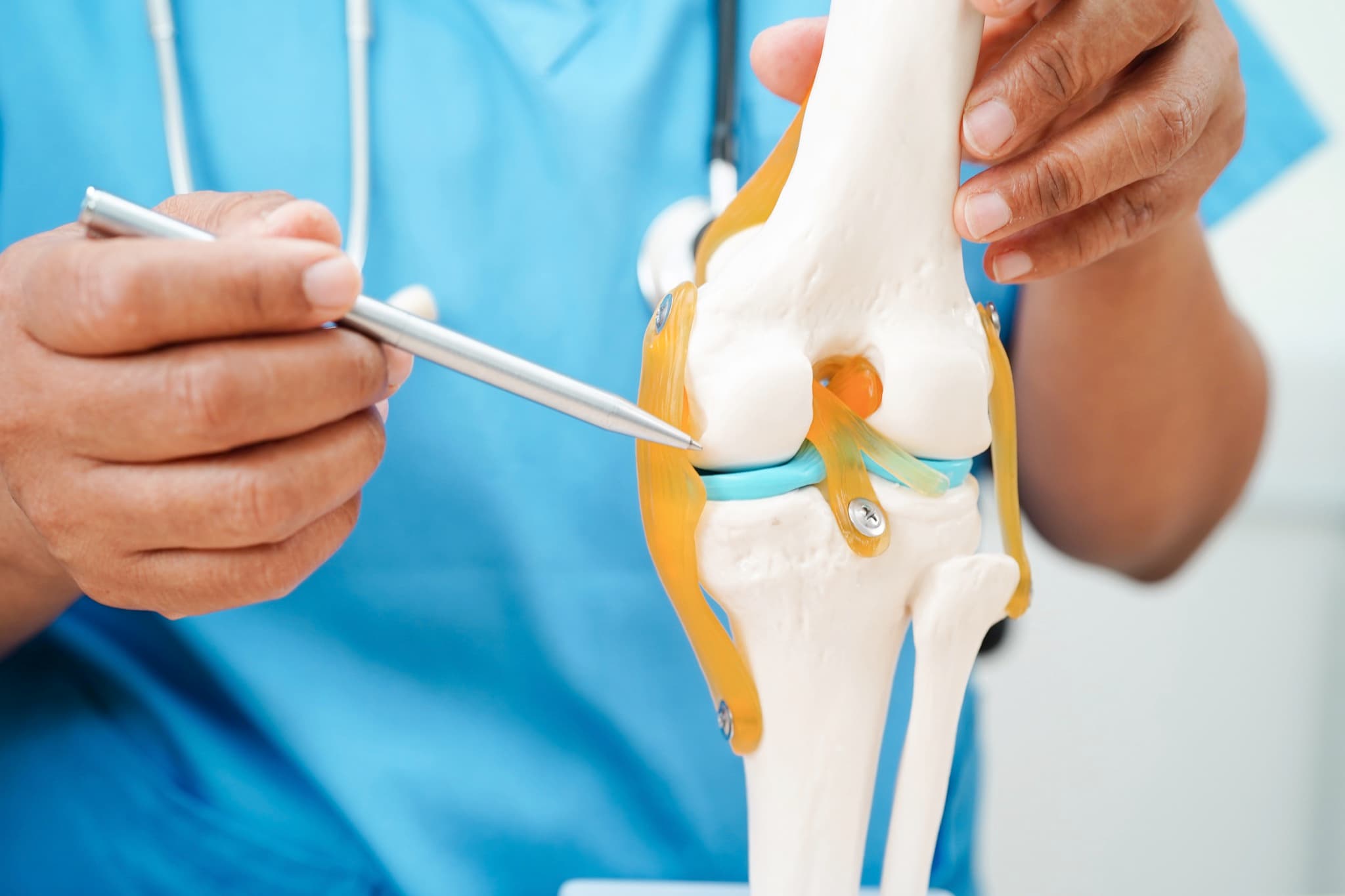
But the meniscus plays a major role in how the joint loads, protects itself, and survives over time. Professor Lee's work includes specialist decision-making around meniscus injury, meniscus deficiency, overload, and the longer-term consequences of meniscal loss — particularly where the aim is not just symptom control, but preserving the future of the joint.

For many patients, this is a critical part of the "before replacement" conversation.

03

Before Replacement Decision-Making

One of the central themes of Professor Lee's work is helping patients understand what may still be possible before replacement becomes the default.

The real question is not simply:

"What operation can be done?"

But rather:

"What is the right decision for this joint, at this stage, for this person?"

  • what still remains
  • what may still be preserved
  • what is realistic
  • and whether replacement is truly the right next step — or simply the most familiar one
What are my options before joint replacement?Are you too young for a joint replacement?When should you get a second opinion before joint replacement?
04

Biological Replacement & Osteochondral Allograft

Replacement does not always have to mean metal.

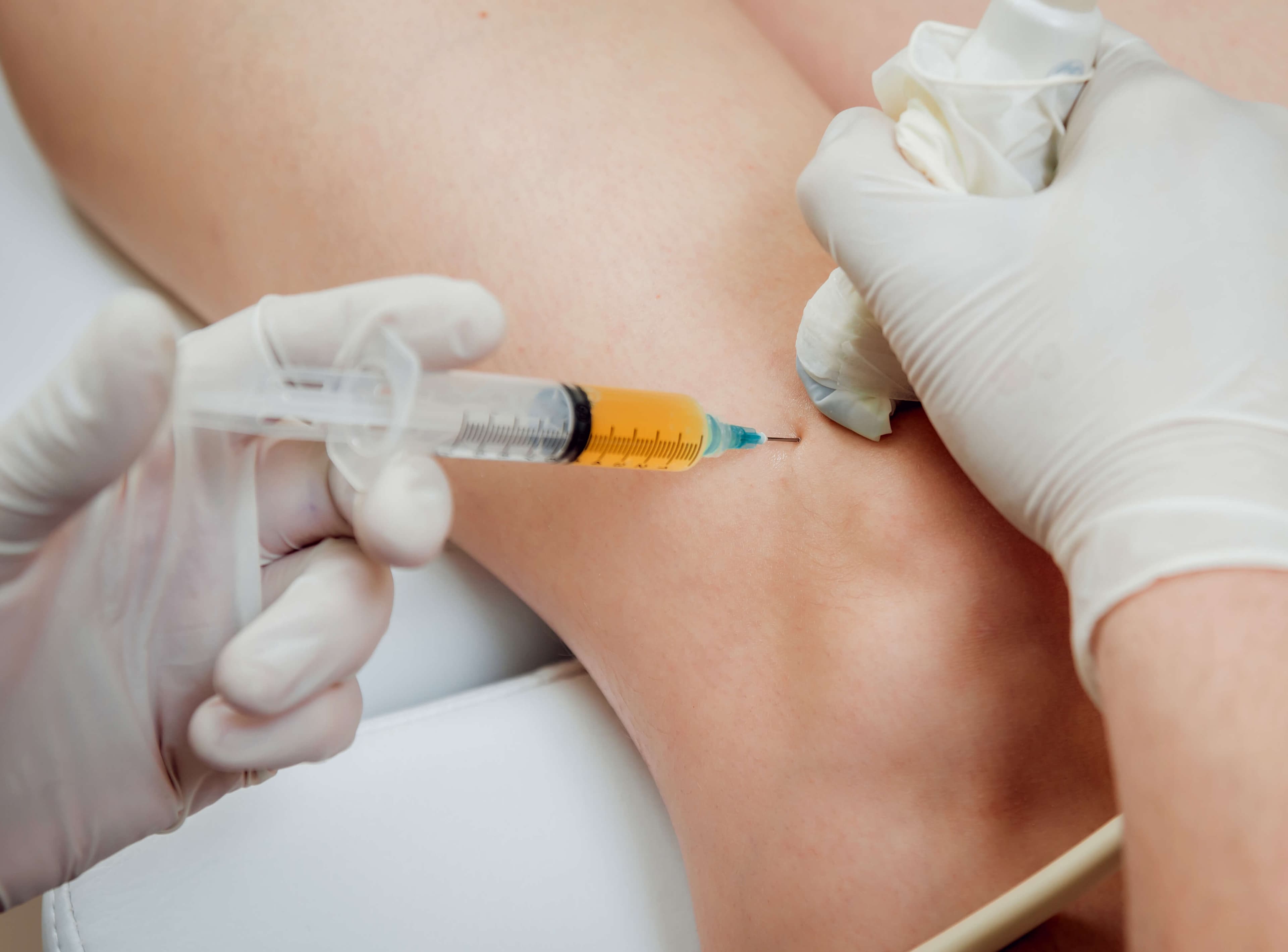
In selected cases, Professor Lee's work also includes more biological and tissue-based reconstructive thinking — particularly where the aim is to restore damaged joint surfaces in a more biologically respectful way. This may include consideration of osteochondral allograft, where fresh living tissue is used to replace damaged cartilage and underlying bone in carefully selected joints.

In that sense, replacement is not always the opposite of regeneration. Sometimes, in the right setting, it can be part of it.

05

Joint Replacement — When It Is Truly the Right Answer

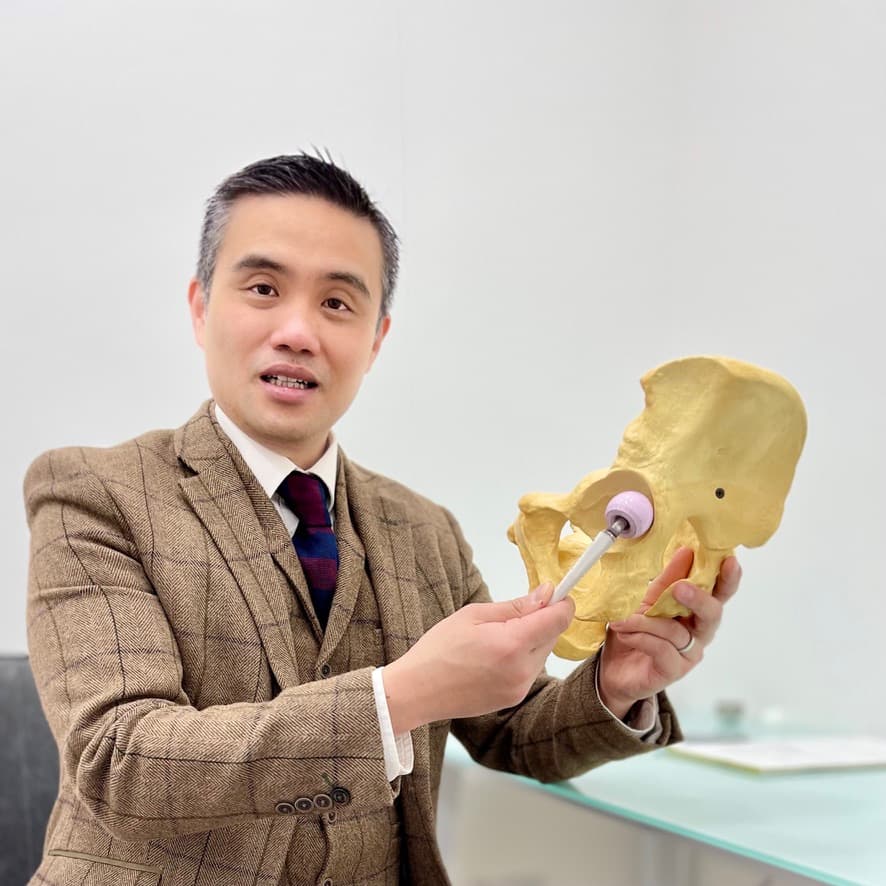
Professor Lee's work is not anti-replacement. Far from it. Replacement can be life-changing when it is genuinely the right decision.

  • when replacement is truly appropriate
  • what type of replacement is being considered
  • how much joint is being replaced
  • and whether there is still something worth preserving before that point

Because replacement itself is not one single endpoint. It is a spectrum of decisions.

06

Specialist Second Opinions

Some of the most important decisions in orthopaedics happen when the pathway is not fully clear.

Patients often feel:

  • uncertain
  • not fully ready
  • unconvinced by the current pathway
  • or aware that something may still be missing from the decision

This is often about:

  • a fresh pair of eyes
  • broader judgement
  • clearer framing
  • and a more honest understanding of what may still be possible

Sometimes that confirms the original plan. Sometimes it changes it. But either way, it often leads to a better decision.

Additional Clinical Interests

Sports & Function-Led Orthopaedics

For some people, the goal is not simply to reduce pain — but to restore movement, confidence, performance, and function.

Professor Lee's broader orthopaedic perspective has also been shaped by sports medicine, doctoral research into muscle injury in professional football, and experience supporting high-demand and elite athletic populations.

This may include selected work involving:

  • tendon and overload-related conditions
  • Achilles problems
  • groin and athletic hip / pelvic issues
  • compartment syndrome
  • movement and performance-led second opinions

For active patients, the right question is often not simply:

“What hurts?”

But:

“What is stopping this body from functioning properly — and what is the most intelligent way to restore it?”

Endoscopic surgery in the operating room
Surgical team with AR smart glasses
Surgical team with specialist instrument kit

What connects all of this work

What is the most appropriate decision for this joint, this body, and this stage of life?

That is the thread that runs through Professor Lee's clinical work.

Not every patient is the same. Not every joint is the same. And not every pathway should be approached as though they are.

judgementtimingtissue respectfunctionand seeing the bigger picture properly

That is where good decisions begin.

Clinical expertise is not just about what can be done

It is about knowing what should and should not be done — and when

preservationrepairregenerationreplacement

The important thing is not simply doing more. It is making sure the decision is the right one.

Clinical Network & Compliance

Partnerships & AffiliationsCollaborating with leading institutions and innovators
MSK Doctors
Regen PhD
Care Quality
Randox
PHIN
Oryon
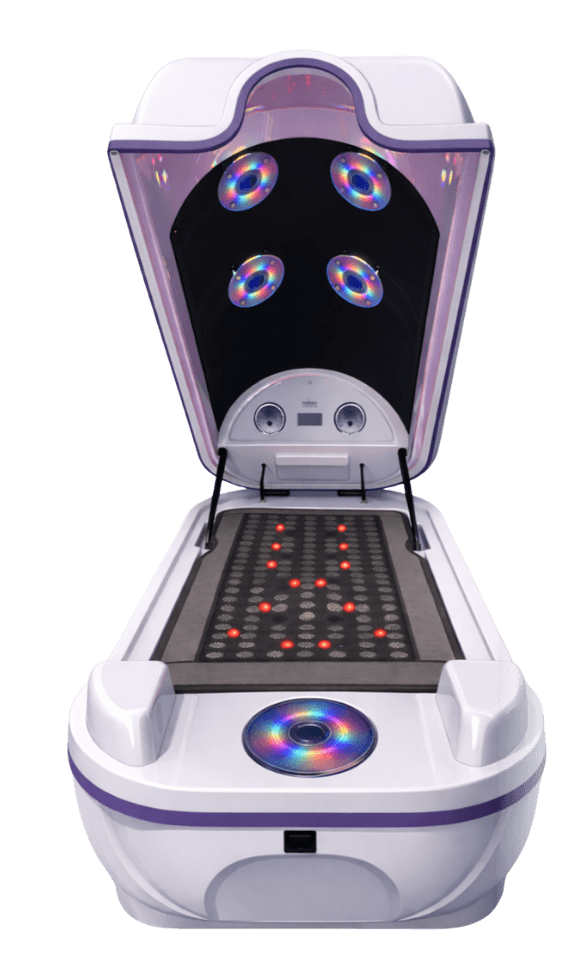
Sleep and Health Clinic
FCA
ISCAS
Phoenix
MSK Doctors
Regen PhD
Care Quality
Randox
PHIN
Oryon
Sleep and Health Clinic
FCA
ISCAS
Phoenix
MSK Doctors
Regen PhD
Care Quality
Randox
PHIN
Oryon
Sleep and Health Clinic
FCA
ISCAS
Phoenix
Privacy & Cookies Policy